
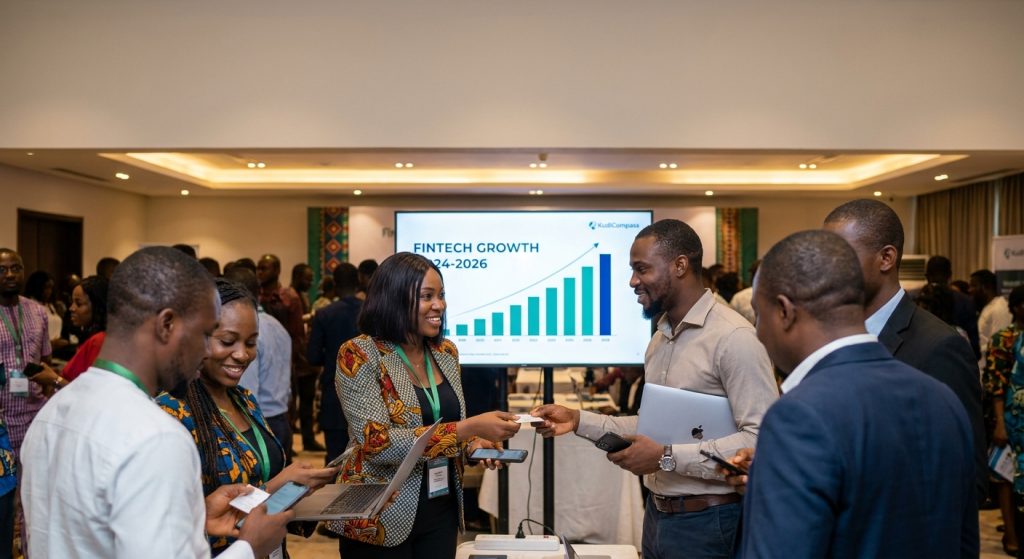
Nigerian Fintech Summits are vital platforms for innovation, networking, and career growth in the nation’s rapidly evolving financial technology sector. This guide covers why you should attend, how to find the right summit, what to expect, typical costs (in Naira), and key trends shaping the future of fintech in Nigeria through 2026.
Introduction: What is a Fintech Summit and Why Should Nigerians Care?
A fintech summit is a high-level gathering where financial technology innovators, regulators (like the Central Bank of Nigeria (CBN) and the Securities and Exchange Commission (SEC)), investors, and professionals meet to discuss trends, showcase solutions, and shape Nigeria’s digital finance future. For Nigeria, which boasts Africa’s largest economy and over 200 fintech startups, these summits are crucial for fostering growth, collaboration, and policy development within the rapidly expanding financial technology landscape.
These events serve as critical convergence points for various stakeholders, ensuring that the Nigerian fintech ecosystem remains dynamic and competitive. The discussions and collaborations that occur at these summits directly influence the trajectory of financial innovation in the country, impacting everything from payment systems to digital lending and blockchain applications.
For Nigeria, a nation with a burgeoning youth population and a strong drive for digital transformation, fintech summits are indispensable. They provide a structured environment for knowledge exchange, strategic partnerships, and the identification of emerging opportunities and challenges. The insights gained and connections made at these events often translate into tangible advancements for individuals and organizations alike.
Here’s why these gatherings are particularly significant for different groups within the Nigerian context:
- For Entrepreneurs: Fintech summits offer unparalleled opportunities to secure funding, forge strategic partnerships, and gain visibility for their innovative solutions. Many successful Nigerian fintechs, such as Flutterwave, have leveraged networking opportunities at these events to attract significant investment. For instance, a startup might secure a crucial seed investment of ₦50 million after a successful pitch or networking session, accelerating their growth and market penetration.
- For Professionals: Attending summits can open doors to premium job opportunities within leading fintech companies like OPay, Paystack, and Kuda. These roles often come with competitive salaries, potentially exceeding ₦500,000 monthly, and offer pathways for significant career advancement in a high-growth sector. It’s a chance to meet hiring managers and demonstrate expertise directly.
- For Investors: Summits are prime hunting grounds for discovering high-growth startups with disruptive potential. Investors can identify promising ventures before they achieve ‘unicorn’ status, gaining early access to innovative technologies and business models that could yield substantial returns. This early insight is invaluable in a fast-paced market.
- For Students: These events provide an invaluable educational experience, allowing students to learn directly from industry pioneers and thought leaders. Masterclasses and panel discussions featuring founders like Tayo Oviosu of Paga offer practical insights and inspiration, bridging the gap between academic knowledge and real-world application.
- For Regulators: Bodies like the CBN and SEC actively participate to gather feedback, announce new policies, and shape the regulatory framework for emerging technologies. This direct engagement ensures that regulations are responsive to industry needs while safeguarding financial stability and consumer protection, for example, by shaping policies on cryptocurrency regulation or digital banking licenses.
Nigeria’s fintech sector is a powerhouse, processing over ₦38 trillion in transactions in 2025 alone, according to CBN data. This staggering volume underscores the sector’s critical role in the national economy. Consequently, fintech summits are not just events; they are the control rooms where the industry’s future is debated, decided, and ultimately, built. They are essential for maintaining Nigeria’s position as a leader in African fintech innovation.
The Evolution of Fintech Summits in Nigeria: A Historical Perspective
The journey of fintech summits in Nigeria mirrors the rapid growth and increasing sophistication of the country’s financial technology landscape. What began as nascent discussions within broader tech gatherings has blossomed into a vibrant ecosystem of dedicated events, reflecting the sector’s maturity and strategic importance.
The Early Days (Pre-2015)
Before 2015, the concept of a standalone ‘fintech summit’ was largely non-existent in Nigeria. Discussions pertaining to financial technology were typically embedded within general technology conferences, banking conventions, or economic forums. These early conversations were often exploratory, focusing on the potential of digital tools to enhance traditional banking services rather than on disruptive innovation. The lack of dedicated platforms meant that fintech, as a distinct industry, struggled to gain its own voice and dedicated attention. The first significant step towards dedicated events was the 2016 Lagos Fintech Summit, organized by Fintech Africa, which marked a pivotal moment in recognizing fintech as a standalone and critical sector.
Key Milestones in Nigerian Fintech Summit History:
- 2018: The Central Bank of Nigeria (CBN) launched its first fintech-focused conference. This was a landmark event, signaling the regulator’s recognition of fintech’s growing influence and its commitment to fostering a supportive yet regulated environment. This move came after the successful implementation of initiatives like the Bank Verification Number (BVN) mandates, which laid foundational digital infrastructure. The CBN’s direct involvement brought legitimacy and a regulatory perspective that was previously less prominent.
- 2020: The onset of the COVID-19 pandemic dramatically accelerated the adoption of virtual formats for summits. This shift, while born out of necessity, had the positive effect of significantly increasing accessibility. Professionals, entrepreneurs, and students from across Nigeria and even the diaspora could participate without the constraints of travel and accommodation, democratizing access to valuable insights and networking opportunities. This period saw a surge in online webinars and virtual conferences, proving the resilience and adaptability of the Nigerian fintech community.
- 2022: Nigeria recorded its first year with over $1 billion in fintech investments. This monumental achievement underscored the global confidence in the Nigerian fintech market and its potential for exponential growth. Summits during this period became crucial platforms for celebrating these milestones, attracting more international investors, and discussing strategies for sustaining this growth trajectory. The discussions often revolved around how to leverage this investment to scale operations and expand market reach.
- 2026: BusinessDay, a leading financial newspaper, is set to host its inaugural dedicated fintech summit. This event is anticipated to be a major highlight, with prominent industry players like OPay already confirmed as headline sponsors. The involvement of established media houses and major fintech companies signifies the mainstreaming of fintech discussions and the increasing institutional support for the sector. Such events are vital for setting industry benchmarks and fostering high-level dialogue.
Regulatory Engagement:
A defining characteristic of Nigerian fintech summits in recent years has been the active and consistent participation of regulatory bodies, particularly the CBN and the SEC. Their presence is not merely ceremonial; regulators actively engage with the industry to ensure a balanced approach to innovation and stability. CBN officials now regularly appear at these summits to:
- Announce New Policies: Summits serve as ideal platforms for the CBN to unveil new regulatory frameworks, such as the anticipated 2025 sandbox regulations. This direct communication ensures that the industry is immediately aware of changes and can prepare accordingly, fostering transparency and compliance.
- Address Concerns: Regulators use these forums to clarify their stance on complex or controversial issues, such as the evolving regulations around cryptocurrency. This direct dialogue helps to dispel misinformation, build trust, and provide clear guidance to market participants, reducing uncertainty.
- Gather Industry Feedback: Critically, these summits provide a two-way communication channel. The CBN and SEC actively solicit feedback from fintech operators, banks, and other stakeholders. This input is invaluable in shaping future policies that are both effective and practical, ensuring that regulations support innovation rather than stifle it. This collaborative approach is essential for creating a robust and adaptive regulatory environment that can keep pace with rapid technological advancements.
The evolution of fintech summits in Nigeria reflects a journey from nascent interest to a mature, strategically important sector. These events have become indispensable for driving innovation, fostering collaboration, and ensuring a well-regulated and thriving financial technology ecosystem in the country.
Why Attending a Nigerian Fintech Summit is a Game-Changer
Attending a Nigerian fintech summit is far more than just sitting through presentations; it’s an immersive experience that can fundamentally alter your career trajectory, business prospects, and understanding of the financial technology landscape. These events are dynamic hubs where opportunities are created, knowledge is exchanged, and the future of finance in Nigeria is actively shaped. The value proposition extends across multiple dimensions, making participation a strategic imperative for anyone serious about the fintech sector.
Networking Opportunities
One of the most significant benefits of attending these summits is the unparalleled access to key decision-makers and influencers across the financial ecosystem. You can meet and interact directly with:
- Banks: Representatives from major financial institutions like Guaranty Trust Bank (GTB), Zenith Bank, and Access Bank are often present, looking for partnerships, investment opportunities, or talent. These interactions can lead to crucial collaborations for fintech startups or career opportunities for professionals.
- Fintechs: Founders, CEOs, and senior executives from leading Nigerian fintech companies such as OPay, Moniepoint, and Kuda Bank attend to share insights, scout for talent, and explore strategic alliances. This is a chance to learn from the best and potentially join their ranks.
- Investors: Venture capital firms and angel investors, including representatives from Ventures Platform and TLcom Capital, actively participate, seeking the next big idea to fund. A well-timed conversation can lead to significant investment.
Real-World Impact: A Developer’s Success Story
Consider the story of a talented developer who attended the 2025 Africa Fintech Summit. Through a casual conversation during a coffee break, he connected with a senior executive from Sterling Bank. This initial contact blossomed into a series of follow-up meetings, ultimately leading to Sterling Bank investing ₦12 million in his innovative payment solution. This example vividly illustrates how a single networking opportunity at a summit can translate into substantial funding and strategic partnerships, proving the tangible value of in-person interactions.
Learning Cutting-Edge Trends
Fintech is an incredibly fast-paced industry, with new technologies and business models emerging constantly. Summits provide a concentrated dose of the latest trends and innovations, often presented by the very people who are pioneering them. For 2026, expect significant focus on:
- AI-powered banking: Discussions will delve into how artificial intelligence is revolutionizing customer service, fraud detection, and personalized financial advice, with examples like FCMB’s new AI-driven tools.
- Blockchain for cross-border payments: Experts will explore the potential of blockchain technology to make international remittances faster, cheaper, and more transparent, addressing a critical need in Nigeria.
- Embedded finance in e-commerce: Learn how financial services are being seamlessly integrated into non-financial platforms, allowing users to access loans, insurance, and payment options directly within their favorite e-commerce apps.
Career Advancement
Many top fintech companies use summits as a recruitment ground. They often have booths, host career sessions, or simply have their HR and hiring managers present to scout for talent. This direct access can bypass traditional application processes. Entry-level fintech salaries in Nigeria, according to 2026 data, start from a competitive ₦180,000 per month, with significant growth potential for experienced professionals. Attending a summit can be your direct route to these opportunities.
Investment Opportunities
For entrepreneurs, summits are prime venues for pitching ideas and securing funding. Angel investors and venture capitalists are actively looking for promising startups. The energy and excitement of these events often lead to on-the-spot commitments. For instance, the 2025 Lagos Fintech Week reportedly saw pledges totaling over ₦2.3 billion from various investors, highlighting the significant capital flow facilitated by these gatherings.
| Benefit | Attending a Summit | Not Attending a Summit |
|---|---|---|
| Networking | Direct, face-to-face interactions with CEOs, investors, and regulators. Builds strong personal connections. | Limited to online platforms like LinkedIn, often resulting in generic and less impactful interactions. |
| Job Opportunities | Direct access to recruiters and hiring managers; possibility of on-the-spot interviews and job offers. | Reliance on generic online applications, often facing high competition and less personalized attention. |
| Industry Trends | First-hand exposure to live demos, expert panels, and direct insights from industry pioneers. | Reliance on second-hand reports, news articles, and delayed information, potentially missing critical nuances. |
| Funding Access | Opportunities to pitch directly to active investors, receive immediate feedback, and secure funding pledges. | Primarily involves cold emails, online applications, and less direct engagement with potential investors. |
| Market Insight | Gain a holistic view of market dynamics, regulatory changes, and competitive landscape through diverse perspectives. | Fragmented understanding based on individual research, potentially missing broader industry shifts. |
| Personal Branding | Elevate your professional profile through active participation, speaking opportunities, and visible networking. | Limited opportunities to build a public profile within the industry beyond online presence. |
In essence, attending a Nigerian fintech summit is an investment in your future. It provides a concentrated environment for growth, learning, and opportunity that is difficult to replicate through other means. The connections made, knowledge gained, and potential deals struck can truly be a game-changer for individuals and businesses operating within Nigeria’s dynamic fintech sector.
Types of Fintech Summits in Nigeria
The Nigerian fintech landscape is diverse, and so are the summits that cater to its various facets. Understanding the different types of events available can help you choose the one that best aligns with your specific goals and interests. From broad industry overviews to highly specialized discussions, there’s a summit for almost every niche within financial technology.
General Conferences
These are broad-based events designed to cover a wide array of topics within the fintech ecosystem. They typically attract a diverse audience, including bankers, fintech founders, investors, regulators, and technology enthusiasts. General conferences are excellent for gaining a comprehensive overview of the industry, understanding macro trends, and making a wide range of connections.
- BusinessDay Fintech Summit (April 2026): This is an anticipated major event, organized by a leading financial newspaper. It’s expected to bring together top-tier speakers and attendees to discuss the overarching themes and future directions of Nigerian fintech. Given BusinessDay’s reputation, it will likely attract significant corporate sponsorship and high-level participation.
- Lagos Fintech Week (October Annually): As one of the most prominent and established events, Lagos Fintech Week is a multi-day affair featuring numerous keynotes, panel discussions, workshops, and networking sessions. It covers everything from payments and lending to blockchain and regulatory frameworks, making it a must-attend for anyone deeply involved in the sector.
- Africa Money & DeFi Summit: While often having a broader African scope, this summit frequently features significant Nigerian participation and focuses on the intersection of traditional finance, digital currencies, and decentralized finance (DeFi). It’s a great platform for understanding the continental context of fintech.
Typical Cost: Attendance fees for general conferences usually range from ₦25,000 for early bird or basic passes to ₦150,000 or more for premium access, which might include VIP networking events or exclusive workshops. Student discounts are sometimes available.
Niche Events
Niche events delve deep into specific sub-sectors of fintech, offering specialized knowledge and targeted networking opportunities. These are ideal for professionals or entrepreneurs focused on a particular area of financial technology.
- Africa Blockchain Summit (Blockchain, ₦75,000 entry): This summit focuses exclusively on blockchain technology, cryptocurrencies, and decentralized applications. It attracts developers, crypto enthusiasts, investors in digital assets, and businesses exploring blockchain solutions. Discussions often cover regulatory challenges, use cases in supply chain, finance, and digital identity.
- InsurTech Africa: Dedicated to insurance technology, this event brings together insurance companies, tech startups, and innovators looking to disrupt the traditional insurance market. Topics include AI in claims processing, personalized insurance products, and micro-insurance solutions for underserved populations.
- AgriFin Summit: This specialized summit explores the intersection of agriculture and finance, focusing on how technology can improve access to finance for farmers, enhance agricultural value chains, and promote food security. It attracts agritech startups, financial institutions, and development organizations.
Typical Cost: Niche event costs can vary, but a common range is from ₦50,000 to ₦100,000, reflecting the specialized content and audience.
Investor Summits
These events are specifically designed to connect startups and entrepreneurs with potential investors. The primary goal is to facilitate funding rounds, mentorship, and strategic partnerships. They are crucial for early-stage and growth-stage companies seeking capital.
- Venture Capital Unconference: Often less formal than traditional conferences, unconferences are participant-driven, with the agenda created on the spot by attendees. This format encourages deeper engagement and more direct conversations between founders and VCs, focusing on specific investment opportunities and challenges.
- Startup Pitch Nights: These events provide a platform for selected startups to pitch their business ideas to a panel of investors, often in a competitive format. They are excellent for gaining visibility, receiving feedback, and potentially securing seed or angel investment. Many incubators and accelerators host such events regularly.
Typical Cost: For entrepreneurs pitching, there might be an application fee or a small participation fee. For investors and general attendees, costs can vary widely, from free to several tens of thousands of Naira, depending on the exclusivity and the caliber of investors present.
Regulatory Summits
Organized by government bodies like the Central Bank of Nigeria (CBN) or the Securities and Exchange Commission (SEC), these summits focus on policy, compliance, and the regulatory landscape of fintech. They are essential for understanding the legal and operational boundaries within which fintech companies must operate.
- These summits are often free to attend but typically have strict registration processes and attendance criteria, sometimes requiring invitations or specific professional affiliations.
- They provide direct access to policymakers and an opportunity to influence future regulations, making them invaluable for compliance officers, legal teams, and senior management in fintech firms.
Choosing the right type of summit depends entirely on your objectives. Whether you’re looking for broad industry insights, deep dives into specific technologies, funding opportunities, or regulatory clarity, Nigeria’s fintech summit calendar offers a rich array of options to meet diverse needs.
How to Choose the Right Summit (2024-2026)
With a growing number of fintech summits in Nigeria, selecting the most appropriate one can be a strategic decision that significantly impacts your return on investment, whether that’s in terms of networking, learning, or securing funding. A thoughtful approach to selection ensures you maximize the benefits of your attendance.
Step-by-Step Guide to Summit Selection:
-
Define Your Goals Clearly
Before even looking at event calendars, articulate what you hope to achieve by attending a summit. Your objectives will dictate the type of event you should prioritize.
- Are you seeking funding for your startup? If so, your focus should be on investor summits, pitch nights, or general conferences known for attracting a high density of venture capitalists and angel investors. Look for events with dedicated pitch sessions or investor lounges.
- Is your primary goal to find a job or advance your career in fintech? General conferences and larger fintech weeks are often excellent for this, as many companies use them for recruitment. Look for events with career fairs, company booths, or dedicated networking apps.
- Do you want to deepen your technical knowledge or explore specific technologies? Niche events focusing on blockchain, AI in finance, or specific sub-sectors like InsurTech or AgriFin will be more beneficial. These offer specialized workshops and expert-led sessions.
- Are you looking to understand regulatory changes or influence policy? Regulatory summits hosted by the CBN or SEC, or general conferences with strong regulatory tracks, will be most relevant.
-
Research Available Events Thoroughly
Once your goals are clear, begin researching upcoming events. Don’t limit yourself to just one source.
- Online Platforms: Regularly check industry news sites like TechCabal, Nairametrics, and Fintech Africa for announcements and event listings. These platforms often provide comprehensive calendars and reviews of past events.
- Social Media: Follow key industry influencers, fintech companies, and event organizers on LinkedIn and X (formerly Twitter). Event announcements and early bird offers are frequently shared here.
- Industry Associations: Check the websites of organizations like the Fintech Association of Nigeria (FintechNGR) for their endorsed or organized events.
-
Verify Credibility and Relevance
Not all summits are created equal. It’s crucial to assess the credibility and relevance of an event before committing your time and resources.
- Speaker Lineup: Examine the list of confirmed speakers. Are they recognized leaders, innovators, or policymakers in the Nigerian fintech space? The presence of high-caliber speakers from organizations like the CBN, SEC, major banks, and successful fintechs is a strong indicator of a quality event.
- Sponsors and Partners: Reputable sponsors (e.g., major banks, established fintechs, international tech companies) often lend credibility to an event.
- Past Editions: Look for reviews, photos, or videos from previous years. Did attendees find it valuable? What was the quality of the content and networking?
- Regulatory Participation: The involvement of regulatory bodies like the CBN or SEC suggests that the event is taken seriously by official channels and will likely feature discussions on policy and compliance, which are critical in Nigeria.
-
Budget Wisely and Look for Discounts
Fintech summits can be a significant investment, so plan your budget carefully.
- Early Bird Discounts: Most events offer substantial discounts (often 20-40% off the full price) for early registration. Set reminders to register as soon as tickets go on sale.
- Student Rates: If you are a student, inquire about special student passes, which can be significantly cheaper (e.g., from ₦15,000 for a general pass).
- Group Discounts: If attending with colleagues, check for group registration discounts.
- Sponsorship/Volunteer Opportunities: Some events offer free access to volunteers or provide sponsored tickets for specific groups.
- Travel and Accommodation: Factor in costs for flights, accommodation, and local transportation, especially if the summit is outside your city of residence.
-
Prepare Essential Documents and Materials
Once you’ve chosen a summit and registered, prepare adequately to maximize your experience.
- Business Cards: Even in a digital age, physical business cards are still highly effective for quick exchanges. Ensure they are up-to-date and professional.
- Digital Contact Info: Have your LinkedIn profile QR code or a digital business card ready for seamless sharing.
- Pitch Deck (for Entrepreneurs): If you’re seeking funding, have a concise, compelling pitch deck ready, either on your device or in a print-friendly format. Be prepared to deliver a 30-second elevator pitch at any moment.
- Updated CV/Resume (for Job Seekers): Have a digital copy of your CV readily accessible, tailored with relevant fintech keywords. Be prepared to discuss your skills and experience.
- Notebook and Pen: While digital notes are common, a physical notebook can be useful for quick jottings, especially during spontaneous conversations or when devices are not permitted.
By following these steps, you can strategically choose the right Nigerian fintech summit that aligns with your professional or business objectives, ensuring a productive and rewarding experience.
What to Expect at a Nigerian Fintech Summit
Attending a fintech summit in Nigeria is an immersive experience, often packed with information, networking opportunities, and strategic discussions. Knowing what to expect can help you navigate the event effectively and maximize your participation. While specific agendas vary, there’s a general structure and set of common elements you’ll encounter.
Typical Agenda:
Most multi-day summits follow a similar daily rhythm, designed to balance formal learning with informal networking.
- 08:00-09:30: Registration & Welcome: The day typically begins with registration. It’s crucial to arrive early to avoid long queues. You’ll usually need to present your ID (and sometimes your BVN for security or verification purposes, especially at events with regulatory involvement) to collect your badge and event materials. This early window is also a great time for initial networking over coffee.
- 09:30-12:00: Keynote Sessions: The morning is often dedicated to high-level keynote speeches. These are usually delivered by prominent figures such as CBN officials, CEOs of major banks or leading fintech companies, government ministers, or international experts. Keynotes set the tone for the summit, addressing macro trends, policy directions, and major industry challenges and opportunities.
- 12:00-13:30: Networking Lunch: Lunch breaks are rarely just about eating. They are prime networking opportunities. Venues typically offer a buffet-style meal, allowing attendees to mingle freely. This is an excellent time to follow up on morning conversations or initiate new ones in a more relaxed setting.
- 13:30-16:00: Breakout Sessions & Panels: The afternoon usually features concurrent breakout sessions or panel discussions. These sessions delve into more specific topics, such as blockchain applications, digital lending, cybersecurity in finance, regulatory sandboxes, or embedded finance. You’ll often have to choose which session to attend based on your interests, as multiple tracks run simultaneously.
- 16:00-18:00: Demo Pitches & Closing Remarks: Towards the end of the day, some summits feature startup demo pitches, where entrepreneurs showcase their innovations to investors and the audience. The day often concludes with a summary of key takeaways, a final keynote, or a networking reception, providing another chance for informal interactions.
Essential Items to Bring:
Being well-prepared with the right tools can significantly enhance your summit experience.
- Power Bank: This is non-negotiable. With constant use of your phone for networking apps, social media, and note-taking, your battery will drain quickly. Venues can get crowded, and charging points are often scarce or in high demand.
- Notebook and Pen: While digital note-taking is common, a physical notebook offers several advantages. It’s less distracting, allows for quick sketches or diagrams, and is often preferred for security reasons in sensitive discussions. It also makes you appear more engaged during conversations.
- Comfortable Shoes: You’ll be doing a lot of standing, walking between sessions, and networking. Prioritize comfort over style to avoid fatigue and ensure you can remain active and engaged throughout the day.
- Business Cards / Digital Contact Info: As mentioned earlier, have an easy way to share your contact details.
- Water Bottle: Staying hydrated is crucial, especially in crowded venues.
Post-Summit Engagement:
The value of a summit doesn’t end when you leave the venue. Effective post-summit engagement is critical for converting connections into opportunities.
- Follow Up Promptly: Aim to follow up with new contacts within 48 hours. A personalized email or LinkedIn message referencing a specific point of discussion will be more memorable than a generic one.
- Connect on LinkedIn: Send personalized connection requests on LinkedIn to everyone you met. Mention where you met them and what you discussed to refresh their memory.
- Implement Learnings: Don’t let the insights gained at the summit go to waste. Immediately apply new knowledge, explore new technologies, or refine your business strategy based on what you’ve learned. This shows you’re serious about growth and innovation.
- Share Insights: Consider writing a blog post or sharing key takeaways on social media. This positions you as a thought leader and reinforces your learning.
By understanding the typical flow, preparing adequately, and engaging strategically both during and after the event, you can transform your attendance at a Nigerian fintech summit into a truly impactful and rewarding experience.
Nigerian Fintech Summit Calendar 2024-2026
Staying updated on upcoming fintech summits is crucial for strategic planning, whether you’re an entrepreneur, investor, professional, or student. This calendar provides a snapshot of key events expected in Nigeria from 2024 to 2026, offering details on dates, locations, estimated costs, and primary focus areas. Please note that dates and costs can be subject to change, so always verify with the official event organizers.
| Summit Name | Date (dd/mm/yyyy) | Location | Estimated Cost (₦) | Primary Focus | Key Highlights |
|---|---|---|---|---|---|
| BusinessDay Fintech Summit | 22/04/2026 | Lagos | 75,000 – 250,000 | General Fintech Trends, Investment, Policy | High-level keynotes, CEO panels, regulatory insights, networking with major financial institutions. Expected to attract top-tier speakers and a diverse audience from banking, tech, and government. |
| Africa Blockchain & DeFi Summit (ABDS) 2026 | 29-30/04/2026 | Virtual (Hybrid options possible) | 25,000 – 75,000 | Blockchain, Decentralized Finance (DeFi), Web3, Crypto Regulation | Deep dives into blockchain use cases, DeFi protocols, NFT trends, and the evolving regulatory landscape for digital assets in Africa. Features technical workshops and expert discussions. |
| Lagos Fintech Week | 15-17/10/2026 | Lagos | 50,000 – 300,000 | Comprehensive Fintech, Innovation, Payments, Digital Banking | A multi-day event with diverse tracks covering payments, lending, InsurTech, RegTech, and more. Includes startup pitches, exhibition booths, and extensive networking opportunities. Often features international speakers. |
| Fintech Africa Summit (Abuja Edition) | Q1 2027 (Exact date TBD) | Abuja | TBD (Likely ₦50,000 – 150,000) | Fintech Policy, Regulatory Frameworks, Government Engagement | Focus on dialogue between fintech innovators and government bodies. Ideal for understanding regulatory directions, policy advocacy, and public-private partnerships. Often features high-ranking government officials. |
| InsurTech Africa Conference | Q3 2026 (Exact date TBD) | Lagos | 40,000 – 100,000 | Insurance Technology, Digital Insurance, Risk Management | Explores innovation in the insurance sector, including AI for claims, personalized policies, and embedded insurance. Attracts insurance companies, tech providers, and startups. |
| Nigeria Digital Economy Summit (NDES) – Fintech Track | November 2026 (Exact date TBD) | Abuja | Free – 100,000 (depending on access level) | Digital Transformation, National Digital Strategy, Fintech’s Role | While broader than just fintech, NDES often features a dedicated track or significant sessions on fintech’s contribution to Nigeria’s digital economy. Good for understanding the national strategic context. |
| Startup Grind Lagos Fintech Forum | Various dates throughout 2024-2026 | Lagos (and sometimes virtual) | 5,000 – 20,000 | Startup Ecosystem, Entrepreneurship, Mentorship | Smaller, more intimate events focused on startup growth, mentorship, and practical advice for founders. Often features fireside chats with successful entrepreneurs and investors. Excellent for early-stage founders. |
Important Note on Dates and Costs:
The dates and costs provided are estimates based on historical patterns and industry announcements. It is highly recommended to visit the official websites of each summit for the most accurate and up-to-date information regarding registration, agenda, and pricing. Early bird registration typically offers significant savings, so planning ahead is advisable.
This calendar serves as a guide to help you plan your participation in Nigeria’s vibrant fintech summit scene. By strategically choosing which events to attend, you can ensure you’re at the forefront of innovation, networking, and opportunity within the sector.
FAQ: Your Top Questions Answered
Q: Are fintech summits worth the money?
A: Yes, fintech summits are generally worth the investment, but their value is maximized through careful preparation and active participation. The potential for a single connection to lead to a significant partnership, investment, or career opportunity can easily repay the cost of attendance many times over. For example, securing a ₦10 million investment or a job paying ₦500,000 monthly after meeting someone at a summit far outweighs a ₦100,000 ticket price. Students, in particular, should actively seek out scholarships, volunteer opportunities, or discounted rates to make attendance more accessible, as the learning and networking benefits are immense for career starters.
Q: Can I attend virtually?
A: Many fintech summits, especially since 2020, offer hybrid attendance options, allowing participants to join virtually. Events like the Africa Blockchain & DeFi Summit (ABDS) 2026 often provide virtual passes at a significantly lower cost, sometimes 40% or more below the in-person ticket price. While virtual attendance offers convenience and cost savings, it’s important to acknowledge that the quality of networking can suffer. Spontaneous interactions, informal conversations, and the energy of in-person engagement are often difficult to replicate in a virtual environment. For maximum networking benefit, in-person attendance is usually preferred, but virtual options are excellent for content consumption and learning.
Q: What should I wear?
A: The recommended dress code for Nigerian fintech summits is typically business casual. This means smart trousers or skirts, collared shirts, blouses, or blazers. Traditional Nigerian attire, such as well-tailored kaftans or senator styles, is also perfectly acceptable and often encouraged, reflecting cultural pride. The key is to look professional and presentable. It’s advisable to avoid overly loud colors or distracting patterns, especially if you anticipate being photographed or appearing on camera, as these can detract from your message. Comfort is also important, given the amount of standing and walking involved.
Q: How do I stand out to recruiters?
A: To stand out to recruiters at a fintech summit, go beyond simply handing out your CV. Actively participate in Q&A sessions by asking insightful, well-researched questions that demonstrate your understanding of industry challenges and solutions. This positions you as a thoughtful and engaged professional. During networking, focus on quality conversations over quantity. Research companies you’re interested in beforehand, approach their representatives with specific questions about their work, and clearly articulate how your skills and experience align with their needs. Follow up promptly with a personalized message after the event, referencing your conversation.
Q: Are there age restrictions?
A: Most professional fintech summits in Nigeria have a general age restriction of 18 years and above, primarily due to the professional nature of the content and networking. However, there are sometimes youth-focused events, hackathons, or specific student tracks within larger summits that cater to younger audiences. If you are under 18 and interested in attending, it’s best to check the specific event’s policy or contact the organizers directly. Some events might require parental consent or adult supervision for minors.
Q: What is the role of the CBN at these summits?
A: The Central Bank of Nigeria (CBN) plays a crucial and multifaceted role at fintech summits. Its representatives often deliver keynote speeches, participate in panel discussions, and host dedicated sessions. Their primary functions include: announcing new regulatory policies (e.g., sandbox guidelines, digital currency frameworks), clarifying existing regulations (e.g., stance on cryptocurrencies), gathering industry feedback to inform future policy-making, and fostering dialogue between innovators and regulators. The CBN’s presence is vital for ensuring that fintech innovation aligns with national financial stability goals and consumer protection mandates.
Q: How can I get funding for my startup at a summit?
A: To maximize your chances of securing funding at a summit, focus on investor-centric events or those with dedicated pitch competitions. Prepare a concise, compelling 30-second elevator pitch and a more detailed 3-5 minute pitch deck. Research attending investors beforehand to tailor your approach. During networking, identify relevant investors and engage them in meaningful conversations about your solution, market opportunity, and team. Be ready to share your business plan, financial projections, and demonstrate traction. Follow up diligently after the event with any interested parties.
Q: What are the main challenges discussed at Nigerian fintech summits?
A: Key challenges frequently discussed at Nigerian fintech summits include: regulatory clarity and compliance (especially for emerging technologies like crypto), access to capital for early-stage startups, talent acquisition and retention, infrastructure limitations (e.g., internet penetration, power supply), cybersecurity threats, financial inclusion for underserved populations, and competition from traditional banks. Discussions often revolve around collaborative solutions involving industry, government, and academia to overcome these hurdles.
Red Flags: What to Watch Out For
While Nigerian fintech summits offer immense value, it’s essential to approach them with a discerning eye. Not all events are created equal, and some may not deliver on their promises. Being aware of potential red flags can help you avoid wasting time, money, and effort on unproductive or even fraudulent gatherings. Here are critical indicators to watch out for:
- Too-Good-To-Be-True Promises: Be highly skeptical of any summit that guarantees specific outcomes, especially financial ones. Phrases like "Guaranteed funding for all attendees" or "Secure ₦100 million investment on the spot" are major red flags. Legitimate events facilitate connections and opportunities; they don’t make unrealistic guarantees. Investment decisions are complex and rarely made instantly for everyone.
- Unverified Organizers: Always research the organizers of the summit. Check their official registration with the Corporate Affairs Commission (CAC) in Nigeria. Look for a track record of organizing successful events. If the organizers are new, have a vague online presence, or lack clear contact information, proceed with caution. Reputable events are typically organized by established industry associations, media houses, or well-known event management companies.
- Hidden Costs: Scrutinize the ticket price and what it includes. Be wary if essential amenities like Wi-Fi access, meals, or even basic refreshments are not clearly stated as included, or if they come with exorbitant additional charges. A transparent event will clearly outline what your ticket covers. Unexpected fees can significantly inflate your overall cost and detract from the experience.
- Poor Speaker Lineup or Vague Speaker Information: The quality of a summit is often directly correlated with the caliber of its speakers. If the speaker list is sparse, features unknown individuals, or provides only generic titles without specific company affiliations, it’s a red flag. Reputable events proudly showcase their speakers, providing detailed bios and their professional credentials. Always cross-reference speakers’ profiles on LinkedIn to verify their expertise and legitimacy. A lack of prominent industry leaders, CBN officials, or successful fintech founders should raise concerns.
- No Refund Policy or Extremely Restrictive Cancellation Terms: While event organizers need to manage logistics, a complete absence of a refund policy or excessively restrictive cancellation terms (e.g., no refunds under any circumstances, even months in advance) can be a red flag. Legitimate events usually offer some form of refund or transfer option, especially for cancellations made well in advance, demonstrating flexibility and good faith.
- Lack of Clear Agenda or Vague Content: A well-organized summit will publish a detailed agenda well in advance, outlining specific topics, session times, and speaker assignments. If the agenda is vague, uses generic buzzwords without substance, or is constantly changing without clear reasons, it might indicate a lack of planning or quality content. You should be able to understand what you will learn and who you will hear from before you commit to attending.
- Over-reliance on "Influencers" without Substance: While social media influencers can bring visibility, a summit that heavily relies on them for content delivery, rather than established industry experts, academics, or practitioners, might lack depth. Ensure there’s a balance between engaging personalities and genuine thought leaders.
- Unprofessional Communication: Pay attention to the professionalism of the event’s communication, from its website and marketing materials to email responses. Typos, grammatical errors, broken links, or slow/non-existent customer service can be indicators of a poorly managed event.
By being vigilant and conducting due diligence, you can significantly reduce the risk of attending a subpar or misleading fintech summit, ensuring your time and money are invested in truly valuable opportunities within Nigeria’s dynamic fintech sector.
What To Do This Week
Nigeria’s fintech revolution is not just happening in boardrooms and coding labs; it’s being actively shaped and accelerated at these dynamic summits. By taking these proactive steps, you can ensure you’re not just an observer but an active participant in this exciting transformation. Your seat at the table, where the future of finance in Nigeria is being decided, awaits!