
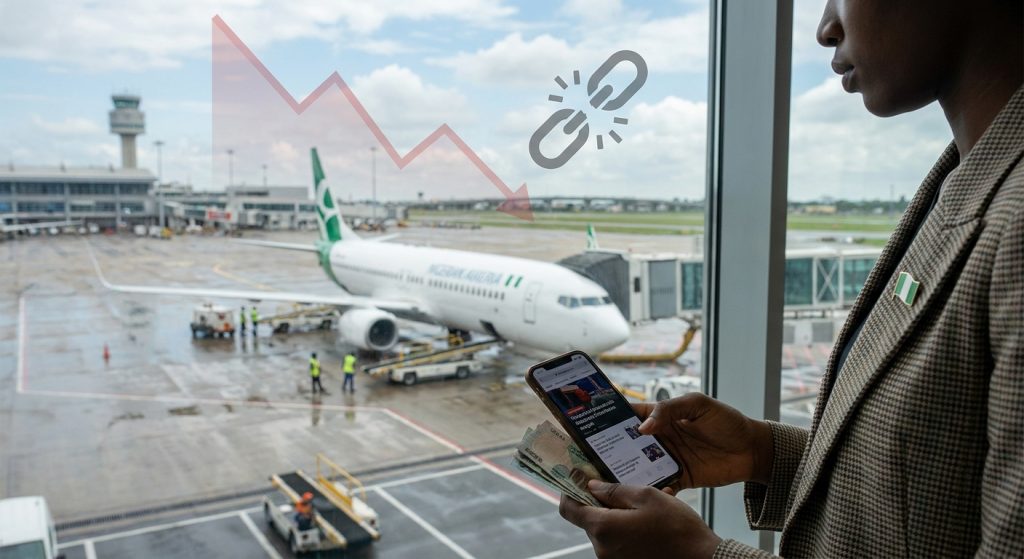
Quick Summary
The Nigerian Civil Aviation Authority (NCAA) recently suspended its “No Pay, No Service” enforcement directive, which aimed to compel 11 domestic airlines to settle outstanding statutory remittances totaling ₦12 billion. Issued on May 22, 2026, and suspended just three days later on May 25, 2026, the directive threatened to deny regulatory services to defaulting airlines. While the suspension provides immediate relief to airlines and prevents widespread flight disruptions, the NCAA has clarified that it does not forgive the ₦12 billion debt. This move highlights the precarious financial state of Nigerian airlines, exacerbated by the soaring cost of Jet A1 fuel and the depreciating Naira, and signals a critical juncture for the industry’s long-term sustainability and debt management strategies.
Quick Answer
On May 25, 2026, the Nigerian Civil Aviation Authority (NCAA) suspended its “No Pay, No Service” directive, which had sought to compel 11 domestic airlines to pay outstanding statutory remittances of ₦12 billion. This decision, made after industry consultations, aims to prevent operational instability and widespread flight disruptions, acknowledging the severe financial pressures on airlines, particularly from high Jet A1 fuel costs. While airlines gain temporary reprieve from immediate regulatory sanctions, they remain fully liable for the ₦12 billion debt, and the industry faces ongoing challenges in establishing sustainable debt recovery mechanisms and financial stability.
NCAA Suspends ‘No Pay, No Service’ Rule – Immediate Impact on Nigerian Aviation
In a significant development that sent ripples through Nigeria’s aviation sector, the Nigerian Civil Aviation Authority (NCAA) on May 25, 2026, announced the suspension of its stringent “No Pay, No Service” enforcement directive. This directive, which had been issued just three days prior on May 22, 2026, via an internal memo, targeted 11 domestic airlines for their failure to remit outstanding statutory payments amounting to a staggering ₦12 billion. The initial directive threatened to deny these airlines crucial regulatory and administrative services, effectively grounding them if the debts were not addressed.
The NCAA’s decision to suspend the enforcement came after intense consultations with industry stakeholders, including the Airline Operators of Nigeria (AON). The Authority cited the need to protect operational stability and prevent widespread flight disruptions, acknowledging the severe financial pressures currently facing airlines, particularly due to the soaring cost of Jet A1 aviation fuel.
Initial reactions have been mixed. Airlines, including major players like Air Peace, Ibom Air, ValueJet, Arik Air, United Nigeria Airlines, Umza Air, NG Eagle, Max Air, and Caverton, have expressed immediate relief, as the threat of service denial and potential grounding has been averted. This temporary reprieve allows them to continue operations without immediate fear of regulatory sanctions. However, service providers, such as the Federal Airports Authority of Nigeria (FAAN) and the Nigerian Airspace Management Agency (NAMA), remain concerned about the recovery of the substantial outstanding debts.
Crucially, the NCAA has been quick to clarify that the suspension does not equate to debt forgiveness. The ₦12 billion owed by the airlines remains a liability, and the Authority expects these obligations to be settled. This move, therefore, buys time for both the airlines and the NCAA to strategise on a more sustainable framework for debt recovery and financial compliance within the sector.
Understanding the ‘No Pay, No Service’ Rule: A Historical Context and Its Enforcement
The recent “No Pay, No Service” directive, though specific in its timing and target, is not an entirely new concept in Nigerian aviation. The underlying principle of compelling airlines to meet their financial obligations to service providers has been a recurring theme, often necessitated by the chronic issue of airline debt within the industry. This principle, sometimes informally referred to as “pay-as-you-go,” is designed to ensure revenue assurance for critical aviation agencies that provide essential services for safe and efficient air travel.
Key agencies and service providers affected by such policies include:
- Federal Airports Authority of Nigeria (FAAN): Responsible for airport management, collecting landing and parking fees, passenger service charges, and other concession fees.
- Nigerian Airspace Management Agency (NAMA): Provides air traffic control, navigation services, and collects charges for these services.
- Nigerian Meteorological Agency (NIMET): Offers crucial weather information and forecasting services to airlines.
- Nigerian Civil Aviation Authority (NCAA): The regulator itself, which collects statutory charges and fees for oversight functions, certification, and licensing.
- Fuel marketers: Suppliers of Jet A1 fuel.
- Ground handlers: Companies providing services like baggage handling, aircraft towing, and catering.
Historically, the mechanism of enforcement for non-compliance has varied but often involved severe consequences. In past instances, airlines with significant outstanding debts faced threats of denial of services, including refusal of flight clearances, grounding of aircraft, or even suspension of their Air Operator Certificates (AOCs). Back in 2026 and 2026, for example, similar measures were threatened or implemented by FAAN and NAMA against airlines like Arik Air and Aero Contractors, leading to operational disruptions and industry outcry. These previous episodes underscore the persistent nature of airline debt issues in Nigeria and the continuous struggle of regulatory bodies to ensure financial discipline without crippling the industry. The NCAA’s recent directive and its subsequent suspension are merely the latest chapter in this ongoing saga.
Why the Suspension Now? Analyzing the Economic and Operational Pressures on Nigerian Airlines
The NCAA’s decision to suspend the “No Pay, No Service” directive, barely 72 hours after its issuance, was not a sign of leniency but rather a pragmatic response to the severe economic and operational pressures currently engulfing Nigerian airlines. The ₦12 billion outstanding debt is not just a figure; it’s a stark indicator of the deep financial distress plaguing the sector.
A primary driver of this distress is the impact of Naira depreciation. The Nigerian currency has experienced significant devaluation against the US Dollar in recent years, particularly from ₦400/$ in 2026 to over ₦1000/$ in 2026. This has a catastrophic effect on airlines, as a substantial portion of their operating expenses – including aircraft leases, spare parts, maintenance, foreign technical expertise, and crucially, Jet A1 fuel – are denominated in US Dollars. A weaker Naira means a much higher cost in local currency to meet these essential obligations.
Hand-in-hand with currency depreciation is the rising cost of Jet A1 fuel. Fuel typically accounts for 30-40% or even more of an airline’s operating costs. The global volatility in crude oil prices, coupled with the depreciating Naira, has pushed Jet A1 prices to unprecedented levels in Nigeria. Airlines are forced to either absorb these costs, significantly eroding their profit margins, or pass them on to passengers, risking a decline in demand.
The debt burden of ₦12 billion is, therefore, a symptom rather than the root cause. It reflects a systemic inability of airlines to generate sufficient revenue to cover escalating costs. While passenger traffic has seen a recovery post-COVID-19, the prevailing economic hardship in Nigeria limits the extent to which airlines can increase fares without deterring travellers. This creates a challenging paradox: airlines need higher fares to survive, but consumers cannot afford them, squeezing airline margins further.
The industry pressure exerted by the Airline Operators of Nigeria (AON) and other stakeholders played a crucial role. AON has consistently advocated for government intervention and relief, warning of potential airline collapses if the financial environment does not improve. The NCAA’s decision, therefore, reflects a pragmatic assessment of the risk of operational instability. A widespread grounding of 11 airlines would have led to massive flight cancellations, stranded passengers, and severe economic consequences, disrupting supply chains and business activities across the country. The suspension, while not a solution, prevents an immediate catastrophe and provides a breathing space for all parties to seek a more sustainable path forward.
Immediate and Long-Term Impact: Who Wins, Who Loses?
The NCAA’s suspension of the “No Pay, No Service” directive has immediate and long-term implications for various stakeholders within the Nigerian aviation ecosystem.
For Airlines:
- Wins (Immediate):
- Reprieve from Grounding: The most significant win is the immediate removal of the threat of regulatory service denial, which would have effectively grounded their operations. This allows them to maintain flight schedules and generate revenue.
- Cash Flow Flexibility: Airlines gain temporary flexibility in managing their cash flow, deferring the immediate payment of the ₦12 billion debt.
- Continued Access to Services: They continue to receive essential regulatory and administrative services from the NCAA, FAAN, NAMA, and other agencies, ensuring operational continuity.
- Losses/Risks (Long-Term):
- Accumulation of Debt: Without a clear repayment plan, there’s a risk of the ₦12 billion debt continuing to accrue interest and penalties, making it even harder to settle in the future.
- Delayed Financial Restructuring: The temporary relief might delay necessary, but painful, financial restructuring or operational adjustments that are crucial for long-term sustainability.
- Reputational Damage: The public knowledge of significant outstanding debt can negatively impact investor confidence and public perception.
For Passengers:
- Wins (Immediate):
- Avoidance of Mass Disruptions: Passengers are spared the immediate chaos of widespread flight cancellations and delays that would have resulted from the grounding of 11 airlines.
- Continued Travel Options: They retain their planned travel arrangements and access to domestic air travel.
- Losses/Risks (Long-Term):
- Potential for Future Disruptions: If the underlying financial issues are not resolved, future enforcement actions or even airline failures could lead to more severe and prolonged disruptions.
- Increased Fares: The financial pressures on airlines might eventually translate into higher ticket prices as they seek to cover their escalating costs and outstanding debts.
- Reduced Service Quality: Financially distressed airlines might cut corners on non-essential services, potentially impacting passenger experience.
For Aviation Agencies (FAAN, NAMA, NIMET, NCAA):
- Wins (Immediate):
- Avoidance of Industry Collapse: The suspension prevents a crisis that could have severely damaged the entire aviation sector, which these agencies are part of.
- Losses/Risks (Immediate & Long-Term):
- Continued Debt Burden: The ₦12 billion debt remains unpaid, impacting their revenue streams and ability to fund critical infrastructure upgrades and operational expenses.
- Erosion of Authority: Repeated suspensions of enforcement actions could be perceived as a weakening of regulatory resolve, potentially encouraging future non-compliance.
- Cash Flow Challenges: Agencies rely on these remittances for their operations, and their non-payment creates significant cash flow challenges.
For the Nigerian Economy:
- Wins (Immediate):
- Prevention of Economic Disruption: The aviation sector is a critical enabler of economic activity. Preventing its collapse avoids significant negative impacts on business, tourism, and trade.
- Losses/Risks (Long-Term):
- Lack of Investment: The precarious financial state of airlines and the regulatory uncertainty could deter local and foreign investment in the aviation sector.
- Dependence on Subsidies: Persistent financial issues might lead to calls for government bailouts or subsidies, placing a burden on public funds.
- Reduced Competitiveness: A struggling domestic aviation sector can hinder Nigeria’s economic competitiveness on a regional and global scale.
Comparison Table: Impact of NCAA’s Decision
| Stakeholder | Immediate Impact (Win/Loss) | Long-Term Risks/Opportunities |
|---|---|---|
| Airlines | Win: Reprieve from grounding, cash flow flexibility, continued services. | Risk: Debt accumulation, delayed restructuring, reputational damage. |
| Passengers | Win: Avoidance of mass disruptions, continued travel options. | Risk: Future disruptions, increased fares, reduced service quality. |
| Aviation Agencies | Win: Avoidance of industry collapse. | Loss: Continued debt burden, erosion of authority, cash flow challenges. |
| Nigerian Economy | Win: Prevention of economic disruption. | Risk: Lack of investment, dependence on subsidies, reduced competitiveness. |
The Nigerian Context: Navigating Global Shifts
While the NCAA’s “no-pay” rule suspension directly impacts collegiate athletics in the United States, its ripple effects can be felt globally, particularly in countries like Nigeria with a strong interest in sports and a growing diaspora. Nigerian athletes often seek opportunities abroad, and changes in the landscape of collegiate sports, including those related to athlete compensation, can influence their decisions and career paths.
Furthermore, the discussion around athlete compensation mirrors broader conversations about fair compensation and economic empowerment across various sectors. In Nigeria, where economic development and youth engagement are critical priorities, understanding how different models of compensation are being debated and implemented internationally can offer valuable insights.
Frequently Asked Questions (FAQs)
Q1: What does the suspension of the NCAA’s “no-pay” rule mean for Nigerian athletes hoping to play in the US?
A1: The suspension, particularly as it relates to NIL (Name, Image, and Likeness) rights, means that Nigerian athletes playing in NCAA-affiliated institutions in the US now have the opportunity to earn income from their personal brand. This could include endorsement deals, social media promotions, and other commercial activities, providing a new avenue for financial support and career development.
Q2: How does airline debt, particularly from Nigerian carriers, relate to these broader economic discussions?
A2: While seemingly disparate, both topics touch upon financial sustainability and economic policy. Airline debt in Nigeria highlights challenges within a critical infrastructure sector, often influenced by global economic conditions, fuel prices, and government policies. The NCAA’s rule changes, conversely, reflect a shift in economic policy within a specific industry (collegiate sports) in response to evolving societal norms and legal challenges. Both scenarios underscore the complexities of managing finances within dynamic environments.
Q3: Are there similar discussions about athlete compensation happening within Nigerian sports?
A3: Discussions around athlete welfare and compensation are ongoing within Nigerian sports, though often focused on different aspects such as adequate funding for national teams, timely payment of allowances, and improved infrastructure. The NCAA’s move could inspire further dialogue on how Nigerian sports organizations can better support their athletes financially, potentially exploring models that allow athletes to benefit more directly from their athletic prowess and marketability.
Q4: What are the potential long-term impacts of the NCAA’s decision on international student-athletes?
A4: For international student-athletes, including those from Nigeria, the long-term impacts could include increased financial stability during their studies, greater opportunities to build personal brands, and potentially a more attractive pathway to pursue collegiate sports in the US. It could also lead to more competition for scholarships as the financial incentives become more pronounced.
Q5: How can Nigerian athletes best navigate these new NIL opportunities?
A5: Nigerian athletes should seek professional advice from legal and financial experts specializing in sports law and international taxation. Understanding the nuances of NIL contracts, potential tax implications in both the US and Nigeria, and how to effectively market their personal brand will be crucial for maximizing these new opportunities responsibly and sustainably.