
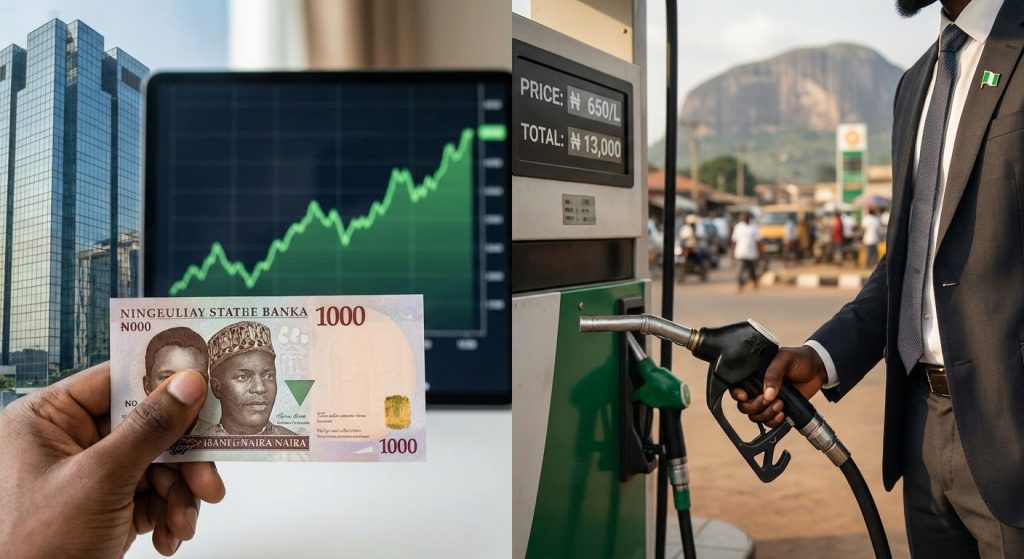
The Short Version: Naira Stabilizes Amid Calls for Subsidies
This article delves into the current state of the Nigerian Naira in May 2026, analyzing its recent stability against the backdrop of persistent calls for subsidies. We explore the factors contributing to the Naira’s performance, the economic arguments for and against subsidies, and the Central Bank of Nigeria’s (CBN) strategic approach to monetary policy and foreign exchange management. Crucially, we break down how these macroeconomic trends directly impact your personal finances – from savings and loans to investments. We also incorporate insights from leading financial institutions and fintechs, offering actionable steps for Nigerians to navigate the economic uncertainties of 2026 and beyond.
The Core Answer
As of May 2026, the Nigerian Naira has shown a period of relative stability, trading around ₦1,360-₦1,374 per US dollar in the official market. This stability is largely attributed to the Central Bank of Nigeria’s (CBN) interventions and market-reflective pricing policies, following the historical removal of fuel subsidies and exchange rate unification. However, renewed calls for subsidies, driven by persistent inflation and economic hardship, pose a significant risk to this stability. The CBN maintains a firm stance against distortionary controls and unsustainable subsidies, aiming for a projected $51 billion in external reserves by year-end 2026. For Nigerians, this complex environment necessitates prudent financial planning, asset diversification, and close monitoring of policy shifts to safeguard savings and investments.
Naira’s Recent Performance: A Mirage of Stability?
As of May 2026, the Nigerian Naira has entered a period of what appears to be relative stability, a welcome change after the significant volatility witnessed in previous years. In the official Nigerian Foreign Exchange Market (NFEM), the Naira has been trading around ₦1,360 per US dollar in early May, settling around ₦1,374/$ as of May 1, 2026. This stability is a marked improvement from its position at the end of March 2026, when it closed at ₦1,387/$, and represents the first April gain since 2026. The first trading week of May 2026 saw the Naira close at ₦1,364/$, further solidifying this trend.
This perceived stability is largely attributed to a combination of factors. The Central Bank of Nigeria (CBN) has been actively engaged in interventions, injecting liquidity into the market to support the Naira. Additionally, improved global oil prices and increased diaspora remittances have played a role in boosting foreign exchange inflows. However, it’s crucial to distinguish between ‘stability’ and ‘strength.’ While the Naira’s daily fluctuations have narrowed, its current valuation around ₦1,360-₦1,374/$ is still significantly weaker than its historical levels.
Expert opinions are divided on the sustainability of these rates. Some analysts view the CBN’s proactive measures and the government’s commitment to market-reflective pricing as positive signs. Others caution that the stability might be precarious, potentially an artificial calm before further adjustments, especially if external reserves face renewed pressure or if the subsidy debate intensifies. The slight weakening to ₦1,383/$ on April 29, 2026, amid a dip in external reserves, serves as a reminder of the underlying vulnerabilities.
Comparison Table: Official vs. Parallel Market Naira Rates (Historical & Current)
| Date | Official Rate (₦/$) | Parallel Market Rate (₦/$) | Difference (₦) |
|---|---|---|---|
| March 2026 End | ₦1,387 | ₦1,405 | ₦18 |
| April 2026 End | ₦1,374 | ₦1,390 | ₦16 |
| May 1, 2026 | ₦1,374 | ₦1,385 | ₦11 |
| May 10, 2026 (current) | ₦1,360 | ₦1,375 | ₦15 |
The Resurfacing Subsidy Debate: Fueling Naira’s Volatility Concerns
The specter of subsidies, a perennial challenge for Nigeria’s economy, has once again resurfaced, threatening the Naira’s hard-won stability in 2026. The historical context is critical: the current administration, back in 2026, embarked on significant reforms, including the removal of fuel subsidies and the unification of exchange rates. These moves, while initially leading to sharp increases in living costs and Naira depreciation, were aimed at fostering market efficiency and reducing the colossal fiscal drain that subsidies represented.
However, persistent inflation, which remains a key concern despite the Naira’s recent stabilization, coupled with widespread economic hardship, has led to renewed calls for subsidies. Labor unions, consumer advocacy groups, and even some industry players are advocating for the reintroduction or increase of subsidies, particularly on fuel and electricity, to alleviate the burden on the populace. Their arguments often centre on social welfare, the need to control runaway inflation, and to support local industries struggling with high operational costs.
The economic arguments against subsidies are well-established. Historically, subsidies have been a massive fiscal drain on government revenue, diverting funds that could otherwise be invested in critical infrastructure, education, and healthcare. They create market distortions, encouraging overconsumption and smuggling, and disproportionately benefiting the wealthy. Crucially for the Naira, subsidies have historically exerted immense pressure on Nigeria’s foreign exchange reserves. The need to import refined petroleum products, often at subsidized rates, meant a constant demand for US dollars, weakening the Naira and making it difficult for the CBN to maintain a stable exchange rate.
The Finance Minister, in April 2026, reiterated the government’s commitment to “market-reflective pricing for foreign exchange and petroleum products, without resorting to distortionary controls or unsustainable subsidies.” This stance signals the government’s awareness of the long-term damage subsidies inflict. Yet, the Nigerian National Petroleum Company (NNPC)’s reliance on partial payments in Naira and dollars for refinery supply, as observed in May 2026, suggests an indirect form of market distortion that could undermine pricing stability and the broader economic reforms. The re-emergence of this debate highlights the delicate balance between economic reforms and social welfare, a balance that directly impacts the Naira’s future.
What Happened in 2026-2026: The Subsidy Removal
Back in 2026, the Nigerian government announced the immediate removal of fuel subsidies, a policy that had cost the nation trillions of Naira annually. This was followed by efforts to unify the multiple exchange rate windows that had plagued the economy, leading to a more market-driven pricing of the Naira against major currencies. While these reforms were lauded by economists as necessary for long-term growth, they triggered a significant increase in the pump price of petrol and a sharp depreciation of the Naira, leading to an immediate surge in inflation and a reduction in the purchasing power of many Nigerians. The removal aimed to free up government funds and attract foreign investment, but the short-term pain has been considerable.
Comparison Table: Pros and Cons of Fuel Subsidies (Economic Impact)
| Argument For Subsidies | Argument Against Subsidies |
|---|---|
| Social Welfare: Reduces cost of living for citizens. | Fiscal Drain: Huge burden on government budget. |
| Inflation Control: Keeps prices of goods/services low. | Market Distortion: Leads to artificial pricing and shortages. |
| Industrial Support: Lowers operational costs for businesses. | FX Pressure: Increases demand for dollars for imports, weakening Naira. |
| Poverty Alleviation: Supports low-income households. | Inefficiency: Encourages smuggling and rent-seeking. |
| Political Stability: Prevents social unrest. | Unsustainability: Long-term drain on national resources. |
The Central Bank of Nigeria’s (CBN) Stance: Navigating a Tightrope
The Central Bank of Nigeria (CBN) finds itself on a tightrope in 2026, balancing the imperative of Naira stability with the persistent pressures of inflation and the renewed subsidy debate. The CBN’s recent pronouncements and actions underscore its commitment to a market-driven exchange rate regime and tighter monetary policies.
A key pillar of the CBN’s strategy in 2026 has been its active intervention in the foreign exchange market, which has contributed significantly to the Naira’s recent stabilization around ₦1,360-₦1,374/$. These interventions are aimed at improving liquidity and reducing speculative attacks on the currency. Furthermore, the CBN continues to deploy a range of monetary policy tools. The Monetary Policy Rate (MPR) is expected to remain high, reflecting the CBN’s resolve to combat inflation, which, despite the Naira’s stability, continues to be a concern. Open Market Operations (OMO) bills and Cash Reserve Ratio (CRR) adjustments are also being utilized to mop up excess liquidity from the banking system, thereby supporting the Naira and curbing inflationary pressures.
The CBN’s official position on subsidies aligns with the Finance Minister’s stance: a firm rejection of “distortionary controls or unsustainable subsidies.” The central bank understands that any reintroduction of widespread subsidies would undermine its efforts to achieve price stability and a market-reflective exchange rate. Subsidies, by creating artificial demand for foreign exchange (especially for fuel imports) and draining government revenue, directly contradict the CBN’s monetary policy objectives. They would inevitably lead to renewed pressure on external reserves and a potential depreciation of the Naira, undoing the progress made since the 2026 reforms.
The CBN Governor and other key officials have consistently emphasized the need for fiscal discipline and structural reforms to complement monetary policy. The optimism surrounding the projection of external reserves rising to $51 billion by the end of 2026 is predicated on sustained market-driven policies and continued foreign investment inflows. This target underscores the CBN’s long-term vision for a robust and resilient Naira, free from the volatility induced by unsustainable fiscal practices. The CBN’s outlook for 2026 is clear: a continued focus on tighter monetary policies, market-reflective pricing, and a strong stance against any policies that could reintroduce market distortions.
Impact on Your Wallet: Savings, Loans, FX, and Investment Returns
The current economic landscape in Nigeria, characterized by the Naira’s precarious stability and ongoing policy debates, has direct and significant implications for every Nigerian’s personal finances. Understanding these impacts is crucial for prudent financial planning in 2026.
Savings
For savers, the Naira’s recent stability offers a glimmer of hope, but persistent inflation remains the primary threat to purchasing power. While the official exchange rate has stabilized, the cost of goods and services continues to rise. This means that if your savings are primarily in traditional low-yield accounts, their real value is eroding. For instance, a savings account offering 5% interest annually at Zenith Bank or Access Bank would still yield a negative real return if inflation hovers around 20-25% (as it has been in recent periods).
To protect your savings, consider high-yield savings accounts or money market funds offered by institutions like Stanbic IBTC Asset Management or ARM Investment Managers, which might offer rates between 10-15% per annum. Fixed deposits with banks like GTBank or FirstBank, offering 12-18% for tenor of 90-180 days, could also be an option, though these still struggle to beat inflation. Diversifying into inflation-indexed instruments or dollar-denominated assets (if accessible and regulated) through platforms like Risevest or Bamboo could offer better protection against Naira depreciation, though these come with their own risks.
Loans
The high-interest rate environment, a consequence of the CBN’s tighter monetary policy to combat inflation, significantly impacts borrowers. For existing Naira-denominated loans, particularly those with floating interest rates, repayments remain substantial. New loans, whether for personal use, mortgages, or business expansion, will continue to attract high-interest rates. For example, personal loans from banks like UBA or FCMB could range from 25-35% per annum, depending on your credit score and relationship with the bank. SME loans might be even higher.
This means that borrowing is expensive, and careful consideration of repayment capacity is paramount. If you have existing loans, consider strategies to pay them down faster to reduce overall interest costs. For new loans, explore options from microfinance banks or fintech lenders like Carbon or FairMoney, which sometimes offer slightly more competitive rates or flexible repayment plans, but always scrutinize their terms and conditions, as some can be predatory.
Foreign Exchange (FX)
For individuals and businesses dealing with foreign exchange – whether for imports, education fees abroad, medical tourism, or travel – the current stability in the official market is a relief. The rate of around ₦1,360-₦1,374/$ provides more predictability compared to the wild fluctuations of last year. However, access to FX through official channels can still be challenging.
For legitimate needs, utilize official bank channels. For instance, most commercial banks like Fidelity Bank or Sterling Bank allow for Personal Travel Allowance (PTA) and Business Travel Allowance (BTA) of up to $4,000 and $5,000 respectively per quarter, subject to CBN regulations and availability, requiring a valid passport, visa, flight ticket, and BVN. Education and medical expenses can also be processed through banks, often requiring admission letters or medical bills. Avoid the parallel market for large transactions due to potential risks and the CBN’s stance against informal FX trading. Fintechs like Payoneer or Wise (formerly TransferWise) can facilitate international transfers, but conversion rates and fees should be carefully reviewed.
Investment Returns
The investment landscape in 2026 is a mixed bag. The stock market, while influenced by corporate earnings, can also react to macroeconomic stability. A stable Naira could attract foreign portfolio investors, potentially boosting equity prices. However, high-interest rates in the fixed income market (e.g., Treasury Bills, FGN Bonds) mean that investors can achieve decent returns without taking on equity risk. For example, Treasury Bills currently offer yields between 18-22% for 91-day to 364-day tenors.
For those with a higher risk appetite, investing in fundamentally strong Nigerian companies listed on the Nigerian Exchange (NGX) via stockbrokers like Stanbic IBTC Stockbrokers or Meristem Securities could yield significant returns, especially if the economy continues to stabilize. Real estate, while a long-term hedge against inflation, faces challenges with high construction costs and fluctuating demand. Diversification across asset classes – equities, fixed income, and potentially regulated dollar-denominated instruments – remains the wisest strategy. Consider mutual funds from reputable asset managers like FBNQuest Asset Management or United Capital Asset Management for professional management and diversification.
Frequently Asked Questions (FAQ)
Q1: What is the current official exchange rate of Naira to US Dollar in May 2026?
A1: As of May 2026, the official exchange rate for the Naira to the US Dollar has been trading around ₦1,360 – ₦1,374 per US dollar in the official Nigerian Foreign Exchange Market (NFEM). This rate is subject to daily fluctuations.
Q2: Why is the Naira stabilizing now, after significant depreciation?
A2: The Naira’s recent stability in 2026 is primarily attributed to proactive interventions by the Central Bank of Nigeria (CBN) to improve foreign exchange liquidity, coupled with positive trends in global oil prices and increased diaspora remittances. The government’s commitment to market-reflective pricing and its stance against unsustainable subsidies also play a role.
Q3: What are the main arguments for and against reintroducing fuel subsidies in 2026?
A3: Arguments for reintroducing subsidies often cite social welfare, controlling inflation, and supporting local industries. Arguments against highlight the massive fiscal drain on government revenue, market distortions, increased pressure on foreign exchange reserves, and the unsustainability of such policies.
Q4: How do high-interest rates affect my loans and savings in 2026?
A4: High-interest rates make borrowing more expensive, meaning higher repayment costs for new and existing loans. For savings, while high-yield accounts offer better returns, persistent inflation means that the real value of your savings might still be eroding if interest rates don’t outpace inflation significantly.
Q5: Can I still access foreign exchange (FX) through official channels for travel or education in 2026?
A5: Yes, you can still access FX through official bank channels for legitimate needs such as Personal Travel Allowance (PTA), Business Travel Allowance (BTA), education fees, and medical expenses. However, access is subject to CBN regulations, documentation requirements (like BVN, NIN, valid visa, flight tickets, admission letters), and availability from your bank.
Q6: What investment options are best to protect my money from inflation in Nigeria in 2026?
A6: To protect against inflation, consider investing in assets that historically outperform inflation. These include high-yield fixed deposits (e.g., 12-18% from banks like GTBank), Treasury Bills (currently 18-22% for 91-364 days), FGN Bonds, inflation-indexed bonds, and potentially regulated dollar-denominated mutual funds or Eurobonds. Diversification across equities of fundamentally strong companies can also offer long-term growth.
Q7: What is the CBN’s projection for Nigeria’s external reserves by the end of 2026?
A7: The Central Bank of Nigeria (CBN) is optimistic, projecting that Nigeria’s external reserves could rise to $51 billion by the end of 2026, as part of its broader economic stabilization efforts. This projection is contingent on continued market-driven policies and increased foreign exchange inflows.
Q8: What is the significance of the ₦23-24 trillion budget deficit and ₦29 trillion new borrowing planned for 2026?
A8: A large budget deficit and significant new borrowing indicate that the government will be competing with the private sector for funds, potentially keeping interest rates high. This also raises concerns about debt sustainability and the long-term impact on the economy, which could indirectly affect the Naira’s stability if not managed prudently.
Q9: How can I ensure my financial service providers are legitimate and regulated?
A9: Always ensure that any financial institution or fintech you deal with is licensed and regulated by the appropriate Nigerian authorities. Banks are regulated by the CBN and insured by the NDIC. Investment firms and asset managers are regulated by the Securities and Exchange Commission (SEC). Check their websites for licensing information or verify through the regulators’ official portals.
Q10: What are the BVN and NIN requirements for financial transactions in 2026?
A10: BVN (Bank Verification Number) and NIN (National Identity Number) remain mandatory for virtually all financial transactions in Nigeria in 2026. This includes opening bank accounts, accessing loans, processing international transfers, and carrying out significant digital payments. Ensure your BVN and NIN are linked to all your bank accounts and financial profiles to avoid service disruptions.