
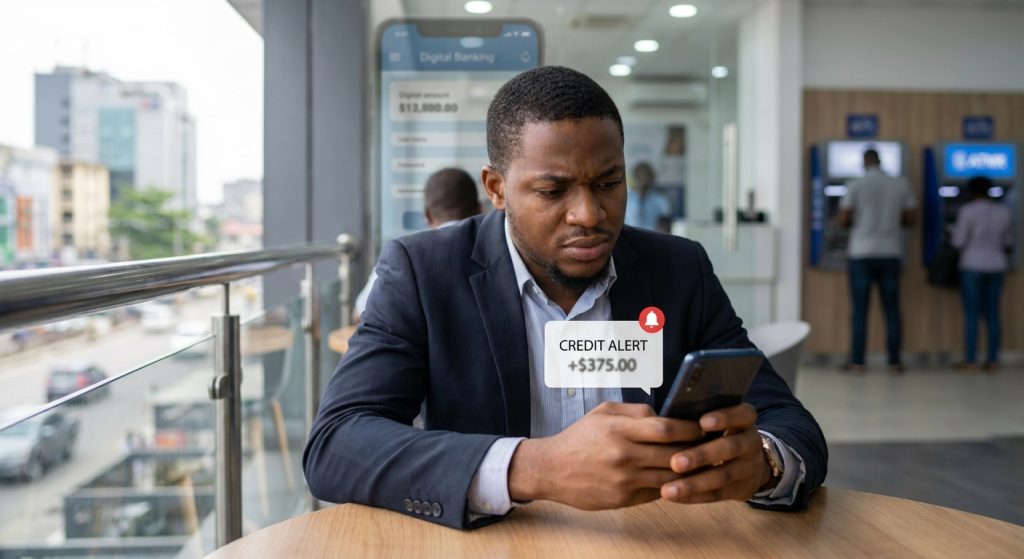
If you receive money by mistake in Nigeria, do NOT spend it. Under Nigerian law, keeping or spending mistakenly sent funds is considered unjust enrichment and can lead to severe consequences, including civil lawsuits, criminal charges (fraudulent conversion, theft), account freezing, negative credit impact, and even imprisonment. Immediately contact your bank to report the error and facilitate a reversal. Acting honestly protects you from legal and financial nightmares.
In Nigeria, spending money sent to you by mistake is illegal and can lead to serious repercussions. The law considers it “unjust enrichment” and potentially “fraudulent conversion” under the Criminal Code Act. If you spend the funds, you could face civil lawsuits for recovery, criminal charges with potential fines and imprisonment, your bank account could be frozen, and your credit score negatively impacted. The Central Bank of Nigeria (CBN) mandates banks to have error resolution mechanisms. The correct action is to immediately contact your bank to report the mistaken transfer and cooperate with the reversal process.
Introduction: The Unwanted Windfall – Money Sent by Mistake in Nigeria
We’ve all dreamed of unexpected money appearing in our accounts. But in Nigeria’s digital banking era where 1.4 billion transactions worth ₦105 trillion occurred in Q1 2026 (CBN data), mistaken transfers are increasingly common.
A “mistaken transfer” occurs when:
- Someone sends money to your account by error (wrong account number/name)
- A bank processes an incorrect amount
- A technical glitch duplicates a transaction
The temptation is real, but Nigerian law is clear: that money isn’t yours. This guide explains exactly what happens if you spend it and the right steps to take.
Is Spending Mistakenly Sent Money Legal in Nigeria? Understanding the Law
The Principle of Unjust Enrichment
Nigerian common law states you cannot legally benefit from another’s mistake. Even if the sender made the error, keeping the funds constitutes “unjust enrichment” – you’re gaining at someone else’s expense without legal justification.
Relevant Nigerian Statutes
- Criminal Code Act:
- Section 383: Theft – If you intentionally keep/spend money knowing it’s not yours
- Section 390: Fraudulent Conversion – Converting someone else’s property (money) for your own use
- CBN Guidelines on Electronic Payments:
- Banks must establish processes for resolving mistaken transfers
- Recipients must cooperate with reversal requests
Case Law: In First Bank v. Ozokwere, Nigeria’s Supreme Court ruled banks must refund customers for failed transactions, establishing precedent for money recovery in error cases.
Legal Fact: Under Nigerian law, money mistakenly sent to you does not become yours. It remains the property of the sender.
The Immediate Aftermath: What Happens When Money Lands in Your Account by Mistake?
Here’s the typical sequence:
- Notification: You receive an SMS/email alert from your bank (e.g., “Credit Alert: ₦500,000 from GTBank Acct XXXX”)
- Sender Discovers Error:
- They contact their bank (e.g., Zenith Bank) to report the mistake
- The sending bank initiates a recall request to your bank (e.g., Access Bank)
- Bank Investigation:
- Your bank places a temporary hold on the funds
- They contact you via phone/email to verify the transaction
- Resolution:
- If uncontested, funds are reversed within 3-5 working days (CBN timeline)
- If contested, the matter escalates legally
The Consequences of Spending Mistakenly Sent Funds in Nigeria: A Detailed Breakdown
Legal Action & Civil Lawsuits
- Repayment Order: Court can compel you to refund the full amount plus 10-21% interest (judgment rate)
- Legal Costs: You may pay the sender’s legal fees (₦50,000-₦500,000+ depending on case complexity)
- Example: In 2026, a Lagos court ordered a UBA customer to repay ₦2.7 million mistakenly transferred to them, plus ₦150,000 in legal costs.
Criminal Charges
| Offense | Law | Potential Penalty |
|---|---|---|
| Fraudulent Conversion | Criminal Code S.390 | Up to 3 years imprisonment |
| Theft | Criminal Code S.383 | Up to 5 years imprisonment for amounts over ₦500,000 |
Bank Account Restrictions
- Immediate freeze on your account
- Blacklisting from banking services (you’ll struggle to open new accounts)
- Example: In 2026, Opay froze 23 accounts involved in mistaken transfer disputes
Credit Score Impact
- Reported to CRC Credit Bureau
- Can lower your score by 100+ points
- May prevent loan approvals for years
What to Do If You Receive Money by Mistake: Step-by-Step Guide
- Don’t Touch the Money
- Even if you’re tempted, don’t transfer or withdraw it
- Contact Your Bank Immediately
- Call your bank’s customer service (see numbers below)
- Visit a branch with:
- Your BVN
- Valid ID (NIN, Driver’s License, International Passport)
- Proof of account ownership
- Document Everything
- Take screenshots of the transaction
- Save all communication with the bank
- Cooperate with Reversal
- Sign any required forms
- Provide requested information
Major Nigerian Bank Contact Numbers for Disputes:
- Zenith Bank: 0700ZENITHBANK
- GTBank: 08029002900
- Access Bank: 01-2702005
- First Bank: 07080625000
How Banks Handle Mistaken Transfers in Nigeria: The Process Explained
- Recall Request Initiation
- Sender’s bank submits request to recipient’s bank within 24 hours of discovery
- Funds Verification
- Banks check transaction logs and confirm error
- Recipient Notification
- Your bank contacts you within 48 hours (CBN guideline)
- Resolution Timeline
- Simple cases: 3-5 working days
- Disputed cases: Up to 30 days
Important: Banks cannot reverse transactions after 120 days (CBN rule)
Real-Life Cases: What Actually Happens When People Spend Mistaken Transfers
Case 1: The ₦100,000 Opay Mistake (2026)
- A trader mistakenly sent ₦100,000 to a wrong Opay account
- Recipient spent the money within hours
- Outcome:
- Account frozen
- Police involvement
- Full repayment ordered plus ₦25,000 legal fees
Case 2: Fidelity Bank’s $8.7 Million Error (2026)
- International transfer error due to wrong account number
- Recipient tried to transfer funds abroad
- Outcome:
- Court injunction froze recipient’s worldwide assets
- Full repayment plus $200,000 in legal costs
How to Protect Yourself from Mistaken Transfer Scams
Some scammers use “mistaken transfers” as a trick. Protect yourself:
✅ Verify Unexpected Funds: Always confirm with your bank
❌ Don’t Refund Directly: Scammers may ask you to send money to “reverse” the transaction – only work through your bank
⚠️ Watch for Overpayment Scams: Common on job platforms where “employer” sends excess funds and asks for partial return
FAQ: People Also Ask
Q: How long does a bank have to reverse a mistaken transfer in Nigeria?
A: CBN guidelines require resolution within 3-5 working days for uncontested cases.
Q: Can I keep money sent to me by mistake if the sender doesn’t notice?
A: No. Nigerian law requires you to report and return mistaken funds regardless of whether the sender notices.
Q: What if I already spent the money by accident?
A: Contact your bank immediately and arrange repayment. Voluntarily correcting the mistake may prevent criminal charges.
Q: Do I need a lawyer if someone demands return of mistaken funds?
A: Only if the claim is disputed. For legitimate errors, your bank can handle it without legal fees.
Q: Can my bank reverse a transfer without my permission?
A: Yes, for verified errors. CBN authorizes banks to reverse mistaken credits after proper investigation.
What to Do Next: Your Action Plan
Pro Tip: Bookmark this page or save your bank’s dispute contact number in your phone. You never know when you might need it.