
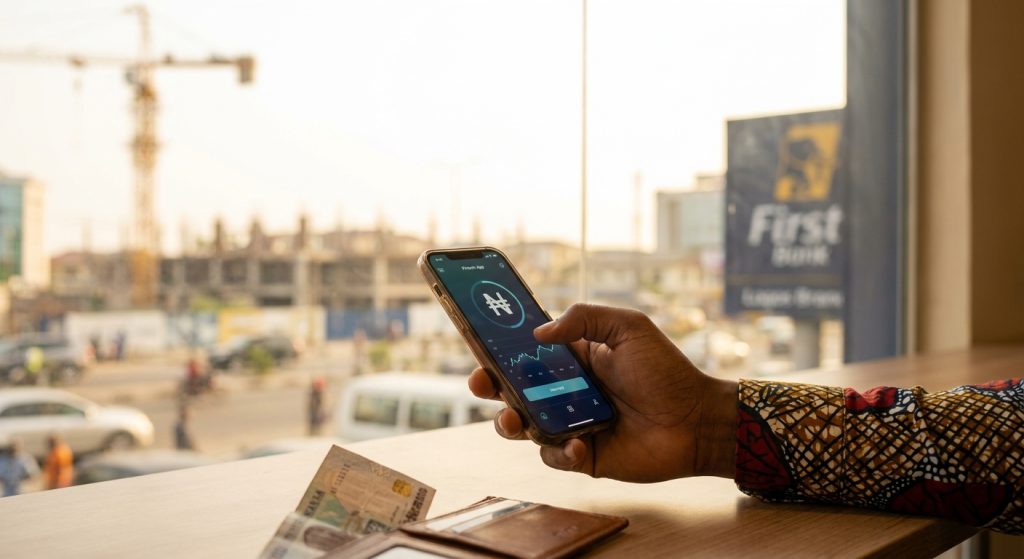
Nigerian banks are the indispensable backbone of the nation’s economy, driving capital formation, credit allocation, and digital payments. Following a successful ₦4.65 trillion recapitalization by March 2026, they demonstrate robust resilience and significant growth, contributing 3.7% to GDP. They are at the forefront of financial inclusion through agent banking and digital literacy, while navigating regulatory challenges and investing heavily in cybersecurity. Their continued evolution, marked by digital transformation and strategic fintech collaborations, positions them as crucial engines for Nigeria’s economic prosperity and social development.
Nigerian banks are the heartbeat of the nation’s economy by serving as the primary engine for capital formation, credit allocation, and the backbone of the payment system. They mobilize vast deposits, finance critical infrastructure, provide essential credit to businesses and individuals, and facilitate trillions of Naira in daily digital transactions, driving economic growth and financial inclusion across the country.
Quick Facts: The Pulse of Nigerian Banking
| Metric | 2026 Data |
|---|---|
| Total Banking Sector Assets | ₦87.3 trillion (CBN Q1 2026) |
| Licensed Commercial Banks | 33 (Post-Recapitalization) |
| Savings Account Interest | 4.2% – 10.5% p.a. |
| SME Loan Rates | 25% – 35% p.a. |
| Digital Transactions (2025) | ₦112.4 trillion (NIBSS) |
| Contribution to GDP | 3.7% (Financial Services Sector) |
| Financial Inclusion Rate (2026) | 78% (EFInA) |
| Total Bank Branches Nationwide | 5,200+ |
Introduction: Why Nigerian Banks Are More Than Just Financial Institutions
Nigerian banks have evolved significantly from their origins as colonial-era financial intermediaries to become the central nervous system of Africa’s largest economy. Their pivotal role extends far beyond traditional banking services, encompassing economic development, financial inclusion, and technological innovation. The recent successful ₦4.65 trillion recapitalization, completed by March 2026, stands as a testament to their remarkable resilience and strategic foresight, especially amidst global economic turbulence and domestic inflationary pressures. This recapitalization effort, mandated by the Central Bank of Nigeria (CBN), has strengthened the capital base of commercial banks, ensuring their stability and capacity to support larger economic activities.
These institutions now process an astounding average of over ₦300 billion daily through various digital channels, reflecting a profound shift towards a cashless economy and increased digital adoption. Furthermore, Nigerian banks are instrumental in financing critical national infrastructure projects, such as the ambitious Lagos-Calabar coastal railway, which has seen significant debt financing contributions totaling ₦1.2 trillion from the banking sector. Their influence is also evident in the capital markets, with banking stocks driving the Nigerian Exchange (NGX) All-Share Index to a historic 200,000-point milestone in March 2026, underscoring their market-moving power and investor confidence. Beyond their balance sheets and market performance, Nigerian banks have made substantial strides in financial inclusion, successfully enrolling 15 million previously unbanked Nigerians into the formal financial system through extensive agency banking networks since 2024. This demonstrates their commitment to broadening access to financial services and fostering economic empowerment across diverse demographics.
The Economic Circulatory System: How Banks Drive Growth
The Nigerian banking sector functions as the economy’s circulatory system, channeling funds, facilitating transactions, and providing the necessary liquidity for growth. Their multifaceted contributions are essential for the nation’s economic health and development.
Capital Formation Engine
Nigerian banks are the primary mobilizers of domestic savings and capital, transforming idle funds into productive investments. This function is critical for economic expansion and job creation.
- Deposit Mobilization: As of Q1 2026, the banking sector had mobilized an impressive ₦53.8 trillion in customer deposits. These deposits form the bedrock of their lending capacity, enabling banks to finance various sectors of the economy.
- Corporate Bond Issuances: Banks played a significant role in the capital markets, funding 37% of corporate bond issuances in 2025, according to the Debt Management Office (DMO) Report. This support helps large corporations raise long-term capital for expansion and operational needs.
- Infrastructure Financing: Between 2024 and 2026, Nigerian banks enabled ₦7.4 trillion in infrastructure financing. This includes funding for critical projects in power, transportation, and telecommunications, which are vital for national development and improving the quality of life for citizens.
- Equity Market Participation: Banks are significant institutional investors in the Nigerian stock market, providing liquidity and stability. Their investment decisions often influence market trends and valuations, contributing to wealth creation.
Credit Lifeblood
Access to credit is the lifeblood of any economy, and Nigerian banks are the main conduits for providing this essential resource to individuals, small and medium-sized enterprises (SMEs), and large corporations. The availability of credit fuels consumption, investment, and innovation.
| Loan Type | Average Rate | 2026 Volume |
|---|---|---|
| SME Loans | 28% p.a. | ₦4.1 trillion |
| Mortgage | 18% p.a. | ₦1.9 trillion |
| Corporate | 22% p.a. | ₦14.7 trillion |
| Personal Loans | 25% p.a. | ₦2.5 trillion |
| Agricultural Loans | 15% p.a. (subsidized) | ₦1.2 trillion |
These lending activities are crucial for stimulating economic activity across various sectors, from supporting small businesses to enabling homeownership and funding large-scale industrial projects.
Payment System Backbone
The efficiency of a nation’s payment system directly impacts its economic productivity. Nigerian banks provide the robust infrastructure that facilitates seamless financial transactions, both domestically and internationally.
- USSD Transactions: In 2025, banks processed a staggering ₦38.2 trillion via USSD channels, highlighting the widespread adoption of mobile banking, especially in areas with limited internet access. This ensures financial services reach a broader population.
- POS Terminals: With 1.4 million active Point-of-Sale (POS) terminals nationwide, banks have significantly expanded payment acceptance points, boosting retail commerce and reducing reliance on cash. This network is vital for small businesses and everyday transactions.
- Diaspora Remittances: Nigerian banks are the primary channels for diaspora remittances, with 73% of the $22.6 billion received in 2025 flowing through formal banking channels. This inflow of foreign exchange is crucial for national income and supporting families.
- Instant Payments (NIP): The Nigerian Instant Payment (NIP) system, managed by NIBSS and facilitated by banks, enables real-time interbank transfers, significantly improving the speed and efficiency of financial transactions for businesses and individuals alike.
Social Impact & Financial Inclusion
Beyond their economic functions, Nigerian banks are deeply involved in driving social impact, particularly through their efforts in financial inclusion and employment generation. These initiatives are vital for poverty reduction and equitable development.
Agent Banking Revolution
Agent banking has been a game-changer in extending financial services to underserved populations, especially in rural and semi-urban areas. This model leverages a network of authorized agents to provide basic banking services.
- Extensive Network: There are now 1.8 million agent banking locations nationwide, bringing financial services closer to millions of Nigerians who previously had no access to a physical bank branch.
- Transaction Value: These agents facilitate an annual transaction value of ₦10.3 trillion, demonstrating the significant volume of financial activity occurring outside traditional bank branches.
- Rural Coverage: According to EFInA’s 2026 report, agent banking has achieved 62% coverage in rural areas, significantly reducing the financial exclusion gap and empowering local economies.
- Services Offered: Agents typically offer cash deposits, withdrawals, bill payments, and account opening, acting as crucial touchpoints for financial transactions.
Employment Generation
The banking sector is a significant employer, contributing directly and indirectly to job creation across the country.
- Direct Employment: The sector directly employs approximately 96,000 bank staff, including tellers, relationship managers, IT professionals, and administrative personnel. These are often high-skilled jobs that contribute to the national human capital development.
- Indirect Jobs: The ripple effect of the banking sector creates an estimated 2.3 million indirect jobs. This includes agent bankers, vendors supplying services to banks, fintech partners, security personnel, and various support staff, demonstrating the sector’s broad economic impact.
Digital Literacy Programs
Recognizing the importance of digital skills in an increasingly digital economy, banks have invested in programs to educate the public.
- Training Initiatives: In 2025 alone, banks trained 4.7 million Nigerians on how to use mobile banking applications, USSD codes, and other digital financial tools. This empowers users to conduct transactions securely and efficiently.
- Women’s Empowerment: These programs have led to an 89% increase in bank accounts opened by women-owned businesses, fostering greater economic participation and financial independence for women entrepreneurs.
- Cybersecurity Awareness: Digital literacy programs often include components on cybersecurity awareness, teaching users how to identify and avoid online fraud and scams, thereby enhancing the security of digital transactions.
Digital Transformation: The New Frontier
Nigerian banks are at the forefront of digital transformation, leveraging technology to enhance customer experience, improve operational efficiency, and expand their reach. This shift is critical for remaining competitive and relevant in a rapidly evolving financial landscape.
Mobile Banking Growth
Mobile banking applications have become indispensable tools for millions of Nigerians, offering convenience and accessibility to a wide range of financial services.
| Bank | Active Users (2026) | YoY Growth (2025-2026) | Key Features |
|---|---|---|---|
| GTBank | 8.7m | 42% | Seamless UI, self-service options, investment features |
| Zenith Bank | 6.2m | 37% | Robust security, quick transfers, virtual cards |
| UBA | 5.9m | 51% | Multilingual support, Africash, bill payments |
| Access Bank | 7.2m | 48% | AI-powered assistant (Ada), personalized insights, lending options |
| First Bank | 5.5m | 35% | Extensive agent network integration, international transfers |
The continuous growth in active mobile banking users underscores the success of banks in providing user-friendly and secure digital platforms. These platforms offer features ranging from account management and fund transfers to bill payments, loan applications, and investment opportunities, all accessible from a smartphone.
Fintech Collaborations
Recognizing the agility and innovation of fintech companies, Nigerian banks are increasingly engaging in strategic collaborations to enhance their service offerings and reach new customer segments.
- Partnerships: In 2025, there were 14 significant strategic bank-fintech partnerships, focusing on areas like payment solutions, lending, and wealth management. These collaborations allow banks to integrate cutting-edge technologies without building them from scratch.
- Open Banking: The adoption of Open Banking APIs reached 67% among commercial banks. This allows for secure data sharing with third-party providers, fostering innovation and enabling a more integrated financial ecosystem.
- Embedded Finance: Banks are exploring embedded finance models, integrating financial services directly into non-financial platforms, such as e-commerce sites and ride-hailing apps, to offer seamless payment and credit options at the point of need.
Cybersecurity Investments
With the rise of digital transactions, cybersecurity has become a paramount concern. Nigerian banks are investing heavily to protect customer data and prevent financial fraud.
- Fraud Prevention: In 2025, the banking sector collectively spent ₦28 billion on advanced fraud prevention technologies and systems. This includes AI-driven fraud detection, multi-factor authentication, and real-time transaction monitoring.
- Reduced Fraud Cases: These investments have led to a significant 93% reduction in USSD fraud cases, demonstrating the effectiveness of proactive cybersecurity measures.
- Data Protection: Banks are also implementing robust data protection frameworks in compliance with global standards and local regulations, ensuring the confidentiality and integrity of customer information.
AI and Data Analytics Adoption
Nigerian banks are increasingly leveraging Artificial Intelligence (AI) and data analytics to gain deeper insights into customer behavior, personalize services, and optimize operations.
- Personalized Banking: AI-powered algorithms analyze customer transaction data to offer personalized financial advice, product recommendations, and tailored loan offers, enhancing customer satisfaction and engagement.
- Risk Management: Data analytics is used to improve credit scoring models, detect fraudulent activities more effectively, and manage market and operational risks with greater precision, leading to more informed decision-making.
- Operational Efficiency: AI is being deployed in areas like customer service (chatbots), back-office automation, and predictive maintenance for IT infrastructure, leading to significant cost savings and improved service delivery.
- Predictive Analytics: Banks use predictive analytics to forecast market trends, anticipate customer needs, and proactively develop new products and services, staying ahead of the competition.
Regulatory Landscape & Challenges
The Nigerian banking sector operates within a dynamic regulatory environment, primarily overseen by the Central Bank of Nigeria (CBN). While regulations aim to ensure stability and soundness, banks also face persistent challenges that require continuous adaptation and strategic responses.
CBN Recapitalization Outcomes
The recent recapitalization exercise, mandated by the CBN, was a critical step to strengthen the financial resilience of Nigerian banks and enable them to support a larger economy. The new capital requirements, effective March 2026, have significantly altered the landscape.
| Tier | New Capital Base (Minimum) | Number of Banks (Post-Recapitalization) |
|---|---|---|
| Tier 1 (International Banks) | ₦500bn | 8 |
| Tier 2 (National Banks) | ₦200bn | 15 |
| Tier 3 (Regional Banks) | ₦50bn | 10 |
| Merchant Banks | ₦50bn | 5 |
| Non-Interest Banks | ₦10bn | 3 |
This recapitalization has led to a stronger, more resilient banking sector, better equipped to absorb shocks and finance large-scale projects. It has also encouraged mergers and acquisitions, leading to a more consolidated and efficient industry structure.
Persistent Challenges
Despite their strengths, Nigerian banks continue to grapple with several challenges that impact their profitability and operational efficiency.
- High Non-Performing Loans (NPLs): The industry average for non-performing loans remains at 8.9%, slightly above the CBN’s prudential limit of 5%. This indicates a portion of loans are not being repaid, impacting banks’ asset quality and profitability.
- FX Liquidity Constraints: Nigerian banks frequently face foreign exchange (FX) liquidity challenges, with an estimated $4.2 billion backlog in unmet FX demand. This affects their ability to facilitate international trade and meet the FX needs of their corporate clients.
- Rising Cybersecurity Threats: Despite significant investments, the sophistication of cyberattacks continues to evolve. In 2025, the sector recorded ₦6.1 billion in fraud losses, highlighting the ongoing battle against cybercriminals and the need for continuous vigilance.
- Inflationary Pressures: High inflation rates in Nigeria impact the purchasing power of consumers and the cost of doing business for companies, potentially leading to higher loan defaults and reduced demand for certain financial products.
- Regulatory Compliance Costs: Adhering to an evolving regulatory framework, including anti-money laundering (AML) and know-your-customer (KYC) requirements, incurs significant compliance costs for banks.
- Talent Gap: The rapid digital transformation requires specialized skills in areas like AI, data science, and cybersecurity, leading to a talent gap that banks must address through training and recruitment.
Nigerian Banks vs. Alternatives
While commercial banks are dominant, other financial institutions and fintechs offer alternative services. Understanding their differences helps consumers make informed choices.
| Feature | Commercial Banks | Microfinance Banks (MFBs) | Fintechs (e.g., Payment Apps, Digital Lenders) |
|---|---|---|---|
| Minimum Balance (Savings) | ₦5,000 – ₦10,000 | ₦500 – ₦2,000 | ₦0 (often) |
| Loan Rates (Average) | 18-35% p.a. | 30-50% p.a. | 5-30% p.a. (short-term) |
| BVN Required | Yes (for all accounts) | Yes (for most accounts) | Partial (for higher limits/lending) |
| Physical Branches | 500+ (extensive network) | 50-100 (regional focus) | 0-5 (primarily digital) |
| Transaction Limits (Daily) | ₦50m+ | ₦5m | ₦1m – ₦10m (varies) |
| Deposit Insurance (NDIC) | Up to ₦5m | Up to ₦2m | Varies (some partner with banks) |
| International Transfers | Yes (SWIFT, Western Union, MoneyGram) | Limited | Yes (specialized apps) |
| Investment Products | Wide range (treasury bills, bonds, mutual funds) | Basic savings, fixed deposits | Limited (some offer crypto, stocks) |
FAQs
Q: Which Nigerian bank has the strongest digital platform?
A: GTBank currently leads with 8.7 million active mobile users and boasts an impressive 97% uptime, indicating high reliability and user satisfaction. Access Bank is a close contender with 7.2 million users, distinguished by its innovative AI-powered features and personalized banking experiences. Zenith Bank and UBA also offer robust digital platforms with strong user bases and continuous innovation.
Q: How safe are Nigerian bank deposits?
A: Nigerian bank deposits are generally very safe. The Nigeria Deposit Insurance Corporation (NDIC) insures deposits up to ₦5 million per bank per depositor, providing a safety net in case of bank failure. Furthermore, Tier-1 banks, which constitute the largest commercial banks, consistently maintain capital adequacy ratios well above the Central Bank of Nigeria’s (CBN) prudential requirement of 15%, often exceeding 18%, indicating strong financial health and ability to absorb potential losses.
Q: What’s the cheapest way to transfer money between banks?
A: The cheapest ways to transfer money between banks in Nigeria are through Nigerian Instant Payment (NIP) transfers, which typically cost between ₦10 and ₦50 depending on the amount, and USSD banking, which usually incurs a flat fee of ₦13.50 per transaction. It is advisable to avoid card transfers (e.g., using another bank’s ATM for transfers) as these can attract higher fees ranging from ₦100 to ₦500, making them a less cost-effective option for interbank transfers.
Q: What is the role of the CBN in regulating Nigerian banks?
A: The Central Bank of Nigeria (CBN) is the apex monetary authority of Nigeria and plays a crucial role in regulating the banking sector. Its responsibilities include formulating and implementing monetary policy, issuing currency, maintaining external reserves, and ensuring the stability and soundness of the financial system. The CBN licenses banks, sets capital adequacy requirements, conducts examinations, and enforces prudential guidelines to protect depositors and promote a healthy banking environment. The recent recapitalization exercise is a prime example of the CBN’s proactive regulatory oversight.
Q: How do Nigerian banks contribute to financial inclusion?
A: Nigerian banks significantly contribute to financial inclusion through several initiatives. Key among these is the extensive agent banking network, which brings basic financial services to rural and underserved populations. They also promote digital banking channels like mobile apps and USSD, making banking accessible to smartphone users and those with feature phones. Furthermore, banks participate in financial literacy programs, educating millions of Nigerians on how to use financial products and services, thereby empowering them to participate in the formal economy.
Red Flags to Watch
When interacting with financial services in Nigeria, be vigilant for these red flags to protect your funds and personal information:
- Unlicensed "Digital Banks" Offering Unrealistic Rates: Be extremely cautious of platforms that promise exceptionally high returns on investments or savings that seem too good to be true. Always verify if a financial institution is licensed by the CBN or NDIC.
- USSD Prompts Requesting BVN/PIN: Legitimate banks will never ask for your Bank Verification Number (BVN), Personal Identification Number (PIN), or One-Time Password (OTP) via USSD, SMS, email, or phone calls. These are highly sensitive credentials that should never be shared.
- Hidden Charges on Savings Accounts: While some charges are legitimate, be wary of banks or financial providers that are not transparent about their fees. Always read the terms and conditions carefully and ask for a detailed breakdown of all potential charges, especially for account maintenance or dormant accounts.
- Loan Sharks Posing as Bank Agents: Be cautious of individuals claiming to be bank agents offering quick loans with minimal documentation but demanding upfront fees or exorbitant interest rates. Always verify the identity of agents and ensure they are operating under a legitimate bank’s authority.
- Phishing Scams: Watch out for suspicious emails, SMS, or calls that mimic your bank’s communication, asking you to click on links or provide personal details. Always verify the sender and never click on suspicious links.
- Unsolicited Requests for Account Details: Never provide your account number, card details, or other sensitive financial information to unsolicited callers or messages, even if they claim to be from your bank or a regulatory body.
What to Do This Week
Data sources: CBN Quarterly Reports (2026), NIBSS Electronic Payment Factsheet (2025), EFInA Access to Financial Services Survey (2026), Debt Management Office (DMO) 2025 Report.