
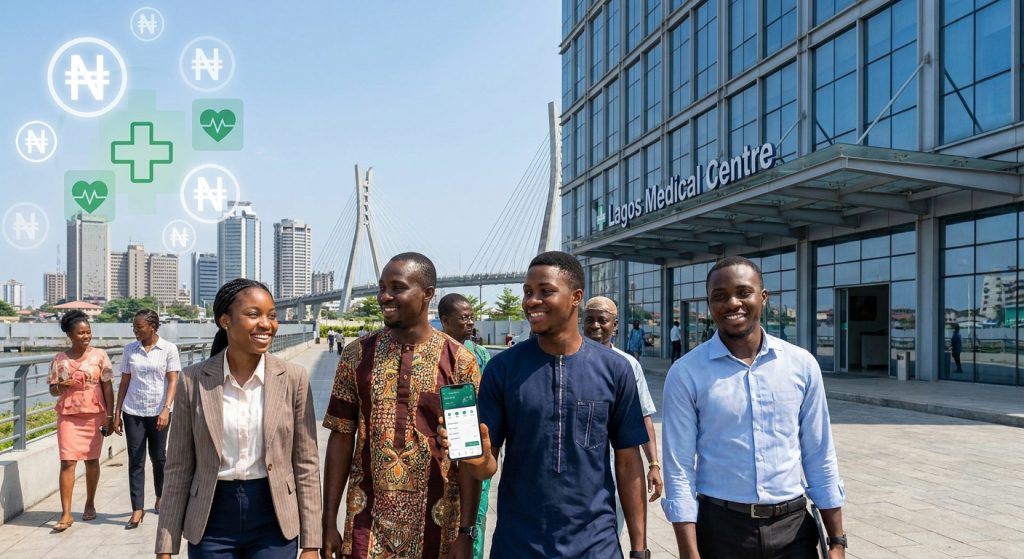
What Happened: Lagos Health Reforms
In May 2026, Governor Sanwo-Olu launched a transformative ₦100 billion health sector reform in Lagos. This initiative aims to close a significant funding gap, make health insurance mandatory for all residents, and establish Lagos as a leading healthcare destination. This article explores how this investment will impact healthcare access, quality, and your personal finances, covering aspects from insurance premiums to medical loan options and foreign exchange considerations for specialized treatments.
Quick Answer: What This Means for You
The ₦100 billion health reforms in Lagos mean mandatory health insurance for all residents, improved healthcare infrastructure and services, and a concerted effort to reduce medical tourism. For your wallet, this translates to new financial obligations (health insurance premiums), but also potentially lower out-of-pocket costs for medical care, increased access to quality local treatment, and new financial products tailored to healthcare needs. Understanding these changes is crucial for effective financial planning in Lagos.
Sanwo-Olu’s ₦100bn Health Sector Revolution: What You Need to Know Now
In a landmark move set to redefine healthcare access and quality across Nigeria’s economic heartbeat, Governor Babajide Sanwo-Olu of Lagos State, in May 2026, announced a comprehensive ₦100 billion health sector reform initiative. This ambitious program is specifically designed to bridge a projected ₦100 billion funding gap within the state’s health sector, signaling a robust commitment to public health.
At the core of these reforms are several strategic pillars: mandatory health insurance for all residents, aggressive workforce development, significant infrastructure improvements, and enhanced public-private partnerships (PPPs). A pivotal component of this revolution is the Executive Order signed by Governor Sanwo-Olu, which effectively domesticates the National Health Insurance Authority Act, making health insurance compulsory for every Lagos resident. This means that as of May 2026, health insurance is no longer an option but a requirement for those living in the state.
The overarching goals of this colossal investment are clear: to significantly expand health insurance coverage, drastically improve service delivery across all public health facilities, firmly reposition Lagos as a leading healthcare destination not just in Nigeria but across Africa, and critically, to curb the growing trend of outbound medical tourism that drains the nation’s foreign exchange reserves. This ₦100 billion push is poised to transform the health landscape, making quality healthcare more accessible and affordable for millions of Lagosians.
The ₦100bn Breakdown: Where the Money is Going (and Why it Matters to You)
The ₦100 billion earmarked for Lagos State’s health sector reforms represents a strategic investment across critical areas, designed to create a ripple effect of improvement from primary healthcare centres to specialist hospitals. While specific line-item allocations are still being finalized, the broad strokes indicate a significant portion will be dedicated to infrastructure development and upgrades.
This includes the construction of new, state-of-the-art hospitals in underserved Local Government Areas (LGAs) to reduce geographical disparities in access to care. Existing general hospitals, many of which are already stretched, will undergo extensive renovation and expansion, with a focus on increasing bed capacity and improving patient flow. A substantial chunk of the funds will also be channeled into the procurement of advanced medical equipment – from modern diagnostic imaging machines like MRI and CT scanners to specialized surgical tools and laboratory equipment, ensuring that Lagosians have access to cutting-edge medical technology.
Beyond brick and mortar, a considerable investment is planned for human capital development. This includes extensive staff training and retention programs aimed at upskilling medical professionals, nurses, and allied health workers, as well as attracting top talent back into the public health system. Measures to improve working conditions and offer competitive remuneration are also expected to be part of this strategy. Furthermore, technology integration will be paramount, with funds allocated for developing robust e-health records systems, expanding telemedicine infrastructure, and implementing digital platforms for appointment scheduling and patient management. This will streamline operations and improve patient experience.
For Lagosians, these investments mean more than just new buildings; they translate to better equipped facilities, shorter waiting times, more accurate diagnoses, and a higher standard of care closer to home. The focus on specialized diagnostic centers, for instance, will reduce the need to travel long distances for critical tests. Moreover, this massive injection of funds is expected to create thousands of jobs, not only for medical professionals but also in construction, technology, and support services, providing a boost to the local economy.
CBN Regulations & Financial Implications: Navigating the New Healthcare Landscape
The ambitious ₦100 billion health reforms in Lagos will undoubtedly interact with and be shaped by existing and evolving financial policies spearheaded by the Central Bank of Nigeria (CBN). While the reforms are a state initiative, the CBN’s broader regulatory framework, particularly concerning digital payments and financial inclusion, will play a crucial role in how healthcare services are financed and accessed.
The CBN’s continued push for a cashless policy and the gradual adoption of the eNaira will likely influence payment systems within the new healthcare ecosystem. We can anticipate a greater emphasis on digital payment channels for health insurance premiums, co-payments, and medical bills, making transactions more efficient and transparent. Fintech companies, already prominent in Nigeria’s financial landscape, are poised to become key facilitators. Platforms like Paystack, Flutterwave, and OPay could offer seamless payment gateways for health insurance providers and hospitals, or even develop specialized digital wallets tailored for healthcare expenses. Quick access to medical funds through micro-lending features integrated into these platforms could also become more commonplace, offering immediate relief in emergencies.
The mandatory nature of health insurance under the Lagos State Health Scheme (LSHS) is expected to spur the emergence of new financial products. Health Savings Accounts (HSAs), though not yet widely adopted in Nigeria, could gain traction as individuals seek dedicated vehicles to save for out-of-pocket medical expenses not covered by their insurance. Micro-insurance schemes, already being explored by companies like AXA Mansard and Leadway Assurance, could see increased demand, particularly for informal sector workers who may find traditional premium structures challenging. These schemes offer affordable, flexible coverage for specific health events.
The impact on private healthcare providers is also significant. While the reforms aim to improve public facilities, the mandatory insurance will create a larger pool of insured patients, potentially increasing patient traffic for accredited private providers. However, this might also lead to increased scrutiny over pricing structures and compliance with LSHS tariffs, potentially capping some of the higher charges seen previously. Prevailing interest rates, currently ranging from 20-35% per annum for personal loans from commercial banks like Zenith Bank or Guaranty Trust Bank, will continue to dictate the cost of borrowing for medical emergencies or elective procedures not fully covered by insurance. This highlights the importance of proactive financial planning and leveraging the new insurance scheme.
Your Wallet, Your Health: Direct Impact on Savings, Loans, and FX for Medical Needs
The ₦100 billion investment in Lagos’s health sector is set to have a profound and direct impact on the personal finances of every resident, touching everything from daily spending to long-term financial planning. One of the most significant anticipated benefits is a substantial reduction in outbound medical tourism. With improved local healthcare infrastructure, better-trained professionals, and access to advanced equipment, the need for Lagosians to travel abroad for specialized treatments will diminish. This translates directly into savings of valuable foreign exchange (FX) for individuals and the nation. Instead of spending thousands of US dollars on flights, accommodation, and medical bills in India, the UK, or Dubai, residents can access comparable quality care within Lagos, paying in Naira. This will alleviate pressure on personal FX reserves and contribute to national economic stability.
Health Insurance Options: Mandatory LSHS vs. Private Plans
| Feature | Lagos State Health Scheme (LSHS) | Private Health Insurance (e.g., AXA Mansard, Leadway) |
|---|---|---|
| Mandatory? | Yes, for all Lagos residents (as of May 2026) | Optional, chosen by individuals/corporations |
| Annual Premium | Estimated ₦40,000 – ₦50,000 per annum for individuals (may vary based on income bracket) | ₦80,000 – ₦500,000+ per annum (depending on plan and coverage) |
| Coverage Scope | Basic to comprehensive care, including primary, secondary, and some tertiary services. Focus on essential health benefits. | Varies widely from basic to premium. Often includes wider hospital networks, elective procedures, and international coverage options. |
| Provider Network | Accredited public and private hospitals within Lagos State | Wider network, often including top-tier private hospitals across Nigeria and sometimes international options. |
| Eligibility | All Lagos residents, with BVN/NIN required for enrollment | Individuals, families, corporate organizations. No specific residency requirement beyond being Nigerian. |
| Benefits | Access to quality care, reduced out-of-pocket expenses, preventive care, maternal & child health. | Wider choice of providers, potentially higher limits, specialized services, concierge services. |
| Drawbacks | May have co-payments for certain services, limited choice of providers compared to premium private plans. | Higher premiums, potential for complex claim processes, some plans may have significant exclusions. |
Note: LSHS premiums are indicative and subject to official announcements by LASHMA. Enrollment typically requires a valid BVN or NIN.
Medical Loan and Financing Options
While health insurance covers a significant portion of medical costs, there may still be instances requiring additional financing, such as co-payments, elective procedures not fully covered, or emergency situations. Nigerian commercial banks and fintechs offer various medical loan options:
| Provider Type | Product Name (Examples) | Typical Interest Rate (per annum) | Repayment Term | Eligibility Criteria (General) |
|---|---|---|---|---|
| Commercial Banks | Zenith Bank Personal Loan, GTBank QuickCredit, Access Bank Payday Loan | 20% – 30% | 6 – 36 months | Salary earners, good credit score, employer relationship with bank, BVN. |
| Fintech Lenders | Carbon (Paylater), FairMoney, Aella Credit | 25% – 45% (or more for short-term) | 1 – 12 months | Smartphone users, good digital footprint, BVN, bank statement. |
| Specialized Medical Finance | Health Finance (e.g., through specific hospital partnerships) | Varies (often 15% – 25%) | 3 – 24 months | Specific medical procedure, hospital-linked, good credit. |
Note: Interest rates are indicative and can vary based on market conditions, borrower’s creditworthiness, and loan amount. Always confirm current rates with providers.
Proactive Savings for Healthcare
Given the mandatory insurance and potential for out-of-pocket expenses, proactive financial planning is crucial.
- Dedicated Health Savings Account: Open a separate savings account specifically for healthcare. Many banks offer target savings accounts (e.g., Sterling Bank’s I-Save, UBA’s Target Savings) that can be configured for this purpose. Automate monthly transfers to build a buffer.
- Health-Focused Mutual Funds: Consider investing in low-risk mutual funds offered by asset management firms like Stanbic IBTC Asset Management or ARM Investment Managers. While not directly “health-focused” in their portfolio, they can serve as a growth vehicle for long-term health savings.
- Structured Savings Plans: Utilize fintech platforms like PiggyVest or Cowrywise to set up automated, disciplined savings plans. Their “Target Savings” or “Flex Naira” features can be ideal for accumulating funds for annual LSHS premiums or potential medical emergencies.
- Emergency Fund: Beyond healthcare, maintain a general emergency fund covering 3-6 months of living expenses, which can be tapped for unforeseen medical costs.
By understanding these changes and leveraging available financial tools, Lagosians can navigate the new healthcare landscape effectively, ensuring both their health and financial well-being.
Benefits and Challenges for Lagos Residents
The ₦100 billion health reforms in Lagos promise a paradigm shift in healthcare delivery, bringing a host of benefits alongside some potential challenges for residents.
Benefits:
- Universal Access to Care: The mandatory Lagos State Health Scheme (LSHS) means that millions of previously uninsured residents will now have access to medical care, reducing financial barriers to treatment. This is particularly impactful for the informal sector and low-income earners.
- Improved Quality of Care: The substantial investment in infrastructure, equipment, and workforce training is expected to significantly elevate the standard of care across public and accredited private facilities. This means better diagnostic capabilities, more effective treatments, and a more skilled medical workforce.
- Reduced Out-of-Pocket Expenses: With health insurance covering a significant portion of medical costs, residents will experience a reduction in direct out-of-pocket payments, protecting them from catastrophic health expenditures that often lead to poverty.
- Preventive Healthcare Focus: The LSHS typically emphasizes preventive care, including vaccinations, health screenings, and health education. This proactive approach can lead to earlier detection of diseases and better overall public health outcomes.
- Reduced Medical Tourism: As local facilities improve, the need to travel abroad for medical treatment will decrease, saving families significant foreign exchange and stress. This also keeps medical expertise and capital within Nigeria.
- Job Creation: The expansion and upgrade of health facilities, coupled with workforce development, will create numerous job opportunities for medical professionals, support staff, and those in related industries.
Challenges:
- Mandatory Premiums: The compulsory nature of health insurance means an additional financial obligation for all residents, particularly those in the informal sector or with very low incomes. While the LSHS aims for affordability, it’s still a new recurring expense.
- Enrollment and Compliance: Ensuring that all eligible residents, especially those without formal employment or stable addresses, enroll and consistently pay their premiums will be a significant logistical challenge for LASHMA. BVN/NIN requirements, while standard, can be a hurdle for some.
- Capacity Overload: While infrastructure is being upgraded, the initial surge in insured patients might temporarily strain existing facilities and staff, potentially leading to longer waiting times or overcrowding in some areas.
- Quality Consistency: Ensuring a consistent high standard of care across all accredited public and private providers under the LSHS will require rigorous monitoring and regulation by LASHMA.
- Information and Awareness: Adequate public awareness campaigns are crucial to educate residents about their rights, benefits, and responsibilities under the new scheme, preventing misinformation and ensuring smooth adoption.
- Fraud and Abuse: As with any large-scale insurance scheme, there’s a potential for fraud and abuse by both providers and beneficiaries, necessitating robust oversight mechanisms.
Navigating these challenges will require sustained effort from the Lagos State Government, LASHMA, healthcare providers, and the active participation of residents. However, the long-term benefits of a healthier, more financially secure populace appear to outweigh the initial hurdles.
Comparison: Lagos vs. Other States’ Health Initiatives
While Lagos State is making headlines with its ₦100 billion health reform, other Nigerian states have also been implementing various health initiatives, albeit often on different scales and with varying approaches. A comparison highlights Lagos’s unique position and the broader trends in healthcare development across the nation.
| Feature | Lagos State (2026 Reforms) | Kaduna State (e.g., KADCHMA) | Delta State (e.g., DELS Health Contributory Scheme) |
|---|---|---|---|
| Funding Scale | ₦100 billion (specific to current reforms, bridging funding gap) | Significant, but often reliant on state budget & donor support | Significant, largely state-funded with contributory elements |
| Mandatory Health Insurance | Yes, for all residents (Executive Order, May 2026) | Yes, for all residents (KADCHMA Act, operational since 2026) | Yes, for public sector workers, gradual expansion to informal sector (operational since 2026) |
| Focus Areas | Funding gap, infrastructure, workforce, mandatory insurance, medical tourism. | Universal health coverage, primary healthcare, maternal & child health. | Universal health coverage, equity, quality, financial risk protection. |
| Infrastructure Investment | Major new construction, upgrades, advanced equipment (₦100bn) | Ongoing upgrades, focus on PHCs, some new general hospitals. | Upgrades to existing facilities, some new PHCs. |
| Workforce Development | Extensive training, retention programs (part of ₦100bn) | Ongoing training, recruitment drives for health workers. | Training, recruitment, focus on rural postings. |
| Technology Integration | E-health records, telemedicine (part of ₦100bn) | Digital patient registration, some e-health initiatives. | Digital enrollment, some e-health pilots. |
| Key Regulator | LASHMA (Lagos State Health Management Agency) | KADCHMA (Kaduna State Contributory Health Management Agency) | DELS Health Contributory Scheme (Delta State Contributory Health Commission) |
| Impact on Residents | Mandatory premium, improved access & quality, reduced FX spend. | Mandatory premium, access to care, reduced out-of-pocket costs. | Mandatory premium for public workers, access to care. |
Analysis:
Lagos’s ₦100 billion reform stands out due to its sheer scale and the explicit targeting of a massive funding gap. While states like Kaduna and Delta have been pioneers in implementing mandatory health insurance schemes for several years (Kaduna’s KADCHMA has been operational since 2026, and Delta’s scheme since 2026), Lagos’s entry in 2026 comes with a significant financial backing that could accelerate infrastructure and technology upgrades at an unprecedented pace.
The focus on curbing medical tourism is also a more pronounced objective in Lagos, given its status as an economic hub and the higher propensity for its residents to seek overseas treatment. While other states also aim for improved service delivery, Lagos’s investment in advanced medical equipment and specialized centers is designed to directly compete with international healthcare destinations.
The common thread across these states is the recognition of mandatory health insurance as a crucial tool for achieving universal health coverage and financial risk protection. However, the execution, funding mechanisms, and the level of investment in complementary areas like infrastructure and workforce vary, reflecting each state’s unique economic capacity and strategic priorities. Lagos, with its current ₦100 billion push, is signaling a comprehensive, top-down transformation designed to set a new benchmark for healthcare in Nigeria.
People Also Ask (FAQs)
Q1: What is the Lagos State Health Scheme (LSHS)?
A1: The LSHS is the official health insurance program for Lagos State residents, managed by the Lagos State Health Management Agency (LASHMA). As of May 2026, enrollment in the LSHS (or an equivalent approved private health insurance plan) is mandatory for all residents of Lagos State, following an Executive Order by Governor Sanwo-Olu. It provides access to a range of medical services at accredited public and private healthcare facilities.
Q2: How much will I have to pay for the mandatory health insurance in Lagos?
A2: While specific figures are subject to official announcements by LASHMA, the annual premium for individuals under the Lagos State Health Scheme (LSHS) is estimated to be in the range of ₦40,000 to ₦50,000 per annum. There may be different tiers or subsidies for vulnerable populations. This premium can typically be paid annually or in installments.
Q3: What services are covered under the LSHS?
A3: The LSHS generally covers a comprehensive range of services, including primary healthcare (consultations, basic tests, common medicines), secondary care (hospital admissions, surgeries), maternal and child health services, emergency care, and some tertiary services. The exact scope of benefits is detailed in the LASHMA benefit package, which is regularly updated.
Q4: Can I still use my private health insurance instead of the LSHS?
A4: Yes, the Executive Order domesticating the National Health Insurance Authority Act makes health insurance compulsory. If you already have a private health insurance plan that meets the minimum standards set by LASHMA and the National Health Insurance Authority (NHIA), you may be deemed compliant. However, it’s crucial to confirm this with LASHMA or your private insurer to ensure your existing plan is recognized and avoids penalties.
Q5: How will these reforms affect medical tourism from Lagos?
A5: A key objective of the ₦100 billion reforms is to significantly reduce outbound medical tourism. By investing heavily in infrastructure, advanced equipment, and skilled personnel, Lagos aims to provide world-class medical care locally. This means residents will have less need to travel abroad for specialized treatments, saving foreign exchange and making quality healthcare more accessible within Nigeria.
Q6: What if I can’t afford the health insurance premium?
A6: The Lagos State Government, through LASHMA, is expected to have provisions and subsidies for vulnerable and indigent populations to ensure no resident is left behind due to inability to pay. It’s advisable to contact LASHMA directly to inquire about available support programs or alternative payment structures if affordability is a concern.
Q7: Will my BVN or NIN be required for health insurance enrollment?
A7: Yes, consistent with national identity management policies, a valid Bank Verification Number (BVN) or National Identification Number (NIN) is typically required for enrollment in the Lagos State Health Scheme (LSHS) to ensure proper identification and prevent fraud.
Q8: How can I enroll in the Lagos State Health Scheme?
A8: Enrollment typically involves visiting designated LASHMA enrollment centers, accredited healthcare providers, or utilizing online portals (if available). You will need to provide personal details, including your BVN/NIN, and select your preferred primary healthcare provider. Keep an eye on LASHMA’s official communication channels for precise enrollment procedures and locations.