
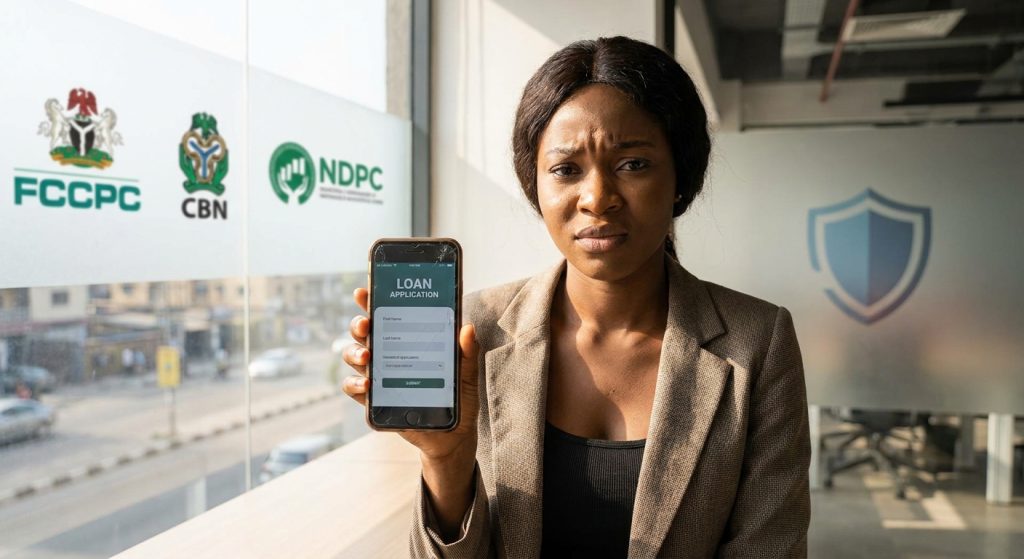
Predatory online lending apps in Nigeria often charge exorbitant interest and use aggressive tactics. This guide empowers you to fight back by detailing how to report them to key regulatory bodies like the FCCPC, CBN, and NDPC, gather crucial evidence, and protect your financial well-being. Learn to identify excessive rates, understand your rights, and proactively avoid these loan sharks.
To report online lending apps charging excessive interest in Nigeria, gather evidence such as loan agreements, interest calculations, and harassment messages. First, complain directly to the app. If unresolved, report to the Federal Competition and Consumer Protection Commission (FCCPC) via their portal, the Central Bank of Nigeria (CBN) for licensed lenders, or the National Data Protection Commission (NDPC) for data privacy breaches. For threats or harassment, contact the Nigerian Police Force (NPF). Always document every step and follow up.
The Predatory Grip: Why Online Lending Apps are a Growing Concern in Nigeria
The explosion of online lending apps in Nigeria has been fueled by Nigerians’ need for quick credit. While convenient, many of these apps operate with predatory tactics that trap borrowers in cycles of debt.
Common complaints include:
- Excessive interest rates: Some apps charge up to 50% interest for a 7-day loan (equivalent to over 2,600% APR)
- Hidden fees: Processing fees, late payment penalties, and “service charges” that aren’t disclosed upfront
- Aggressive recovery: Harassment through calls, SMS, WhatsApp messages, and even contacting your entire phonebook
- Data privacy violations: Unauthorized access to contacts, photos, and other personal data
The FCCPC has taken action by:
- Publishing an approved list of over 400 licensed loan apps for 2026
- Delisting predatory apps like 9Credit Loan App and Soko Loan
- Introducing new guidelines requiring transparent pricing
But many illegal operators continue exploiting Nigerians, causing financial distress, mental health issues, and reputational damage. For more insights into the regulatory landscape, you can explore Nigerian Fintech Regulations.
Understanding the Enemy: What Constitutes ‘Excessive’ Interest in Nigeria?
What is Excessive Interest?
In Nigeria, while traditional bank loans typically range between 20-30% APR, many digital lenders charge rates that would be considered predatory:
| Loan Type | Typical APR | Example for ₦10,000 Loan |
|---|---|---|
| Bank Personal Loan | 25% | ₦2,500 interest per year |
| Licensed MFB Loan | 30-60% | ₦3,000-₦6,000 per year |
| Predatory App Loan | 500-2000% | ₦5,000 interest per week |
The FCCPC considers any rate that:
- Isn’t clearly disclosed upfront
- Uses compounding interest unfairly
- Charges penalties that exceed principal
- Makes repayment impossible through the loan term
Regulatory Grey Areas
- CBN regulates banks/MFBs but not standalone digital lenders
- FCCPC’s new guidelines require all lenders to disclose APR clearly
- Courts may declare rates “unconscionable” if grossly unfair
Your Shield: Key Regulatory Bodies and Their Roles
| Regulatory Body | Primary Mandate | When to Contact | Contact Channels |
|---|---|---|---|
| FCCPC | Consumer protection against unfair practices | Excessive rates, harassment | fccpc.gov.ng complaint portal |
| CBN | Banking sector regulation | If lender is CBN-licensed | [email protected] |
| NDPC | Data privacy protection | If app accessed contacts/photos without consent | ndpc.gov.ng |
| Nigerian Police | Criminal harassment/threats | For threats, blackmail | Nearest police station |
Step-by-Step Guide: How to Report an Online Lending App
-
Step 1: Gather Evidence
- Screenshots of loan terms (interest rate, fees)
- Bank statements showing transactions
- Recordings of threatening calls (if legal)
- Copies of harassing messages
-
Step 2: Complain to the App First
Send a formal complaint via:
- In-app customer service
- Registered email
- Document their response
-
Step 3: Report to FCCPC
- Visit fccpc.gov.ng
- Navigate to “Consumer Complaints”
- Upload all evidence
- Get case reference number
-
Step 4: Escalate as Needed
- CBN for licensed lenders (e.g., if you’re dealing with a microfinance bank)
- NDPC for data breaches
- Police for criminal threats
Protecting Yourself: How to Avoid Predatory Loans
Safer Alternatives:
- Bank Loans: GTBank QuickCredit, Zenith Bank ReadyCash. Explore personal loan options in Nigeria.
- Fintech Options: FairMoney (lower rates), Branch. For more details, see FairMoney Loan Review.
- Cooperatives: Better rates for members
Red Flags to Watch:
- No physical office address
- Requests for BVN/NIN upfront
- Vague pricing terms
- Pressure to borrow immediately
Tip: Always check the FCCPC’s approved list before applying for any online loan. This can save you from significant financial distress.
FAQ: People Also Ask
Q: Which loan apps are banned in Nigeria?
A: The FCCPC maintains an updated list on their official website. Currently, this list includes apps like 9Credit, Soko Loan, and Cash Lion, among others, that have been delisted or are under investigation for predatory practices. Always refer to the FCCPC’s latest publications for the most accurate information.
Q: What’s the legal interest rate in Nigeria?
A: Nigeria does not have a fixed legal cap on interest rates for all types of loans. However, courts can declare rates “unconscionable” if they are grossly unfair or exploitative. Licensed Microfinance Banks (MFBs) typically operate with Annual Percentage Rates (APR) under 60%, while traditional banks offer even lower rates. The FCCPC’s guidelines emphasize transparency and fairness in interest rate disclosure.
Q: Can loan apps arrest me for non-payment?
A: No, loan apps cannot legally arrest you for non-payment of a debt in Nigeria. Debt is a civil matter, not a criminal one. Threats of arrest or imprisonment by loan apps are illegal and constitute harassment. Only a court order can lead to an arrest, and typically not for civil debt. If you receive such threats, you should report them to the Nigerian Police Force.
Q: How do I know if a loan app is licensed?
A: To verify if a loan app is licensed in Nigeria, you should check the Federal Competition and Consumer Protection Commission (FCCPC)’s official website for their regularly updated list of approved digital lending platforms. For Microfinance Banks (MFBs) or other financial institutions, you can also verify their license with the Central Bank of Nigeria (CBN).