
Quick Summary
Flexxydrive officially launched in Lagos on 19 May 2026, introducing a groundbreaking “zero-commission” model for e-hailing drivers. This article explores how Flexxydrive plans to disrupt the market dominated by Uber and Bolt, analyzing its unique revenue strategy, the potential financial impact on Lagos drivers (more Naira in their pockets!), and the benefits for riders. We also delve into the regulatory landscape, the challenges and opportunities ahead for Flexxydrive in Nigeria, and provide concrete next steps for drivers, riders, and investors.
What This Means
Flexxydrive’s entry could fundamentally shift the e-hailing landscape in Lagos. By eliminating traditional commissions, it aims to significantly increase drivers’ take-home earnings, potentially leading to improved service quality and more competitive fares for riders. However, the sustainability of its alternative revenue model and its ability to scale amidst regulatory complexities and incumbent competition will be crucial to its long-term success.
Flexxydrive Storms Lagos: Zero Commission, Maximum Disruption in E-Hailing
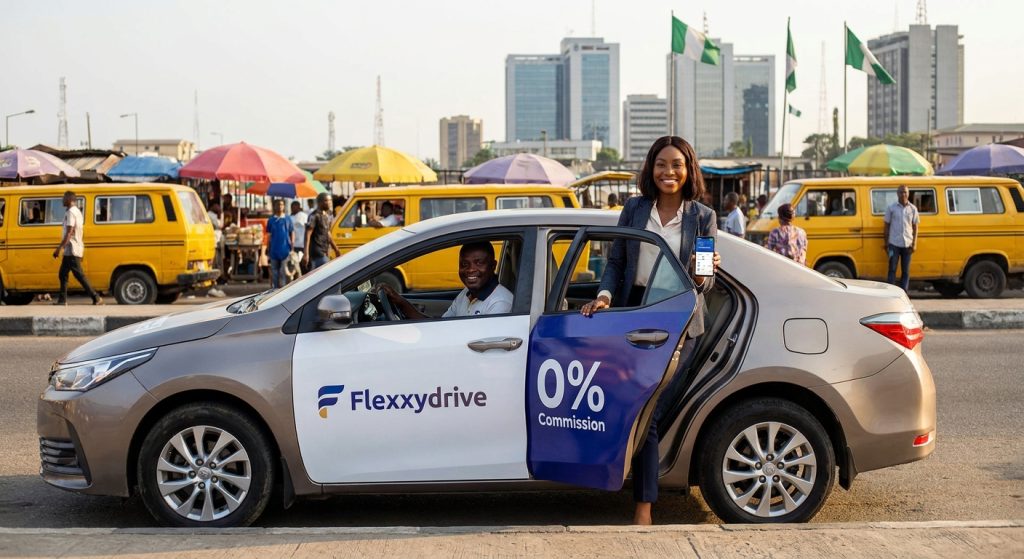
The bustling e-hailing landscape of Lagos, Nigeria, just got a significant shake-up with the official launch of Flexxydrive on 19 May 2026. This new player is not just another ride-hailing app; it’s a direct challenge to the established order, spearheaded by a revolutionary “zero-commission” model. Flexxydrive has declared its intent to put drivers first, promising that 100% of the fare paid by riders will go directly into the drivers’ pockets.
This “driver-first” philosophy is a stark contrast to the prevalent model used by giants like Uber and Bolt, which typically levy a 20-25% commission on every ride. Flexxydrive’s entry, having secured official approval from the Lagos State Ministry of Transportation (MOT), signals a potential paradigm shift. It aims to address long-standing grievances among drivers regarding shrinking profit margins and unfair commission structures. The immediate implication for existing players is clear: increased competition and pressure to potentially re-evaluate their own commission models or risk losing a significant portion of their driver base. For Lagos commuters, this could translate into more reliable service and potentially more competitive pricing as platforms vie for market share.
Flexxydrive’s Promise: 100% of the fare goes to the driver, every time.
Understanding the ‘Zero Commission’ Model: How Does Flexxydrive Plan to Make Money?
The question on everyone’s mind is: if Flexxydrive charges zero commission, how does it intend to sustain its operations and generate revenue? Flexxydrive’s business model pivots away from the traditional transactional revenue stream, opting instead for a multi-faceted approach centered on recurring revenue and value-added services.
Its primary revenue streams are anticipated to include:
- Driver Subscription Fees: Instead of a per-ride commission, drivers will likely pay a fixed weekly or monthly subscription fee to access the platform. While specific pricing has not been publicly disclosed, this model provides a predictable income stream for Flexxydrive, irrespective of the number of rides a driver completes.
- Premium Features: The platform could offer optional premium features for drivers, such as priority ride dispatch, advanced analytics, or enhanced in-app navigation, available for an additional fee.
- Advertising: Leveraging its growing user base, Flexxydrive could generate revenue through in-app advertising, partnering with local businesses for targeted promotions.
- Data Monetization (Anonymized): Aggregated and anonymized rider and driver data could be valuable for urban planning, traffic management, or market research, offering another potential revenue stream through ethical data sharing partnerships.
- Strategic Partnerships: Collaborations with financial institutions for embedded financial services (e.g., micro-loans, insurance for drivers), vehicle maintenance providers, or fuel companies could generate referral fees or shared revenue.
This model is a significant departure from Uber and Bolt’s commission-based approach, which relies heavily on a percentage cut from every transaction. While the sustainability of this model has been debated globally, similar disruptive approaches have found success. For instance, inDrive (formerly inDriver), though not identical in its revenue model, demonstrated the viability of alternative pricing structures by allowing drivers and riders to negotiate fares, thereby reducing the platform’s direct cut. Flexxydrive’s shift from transactional to recurring revenue, coupled with diverse ancillary services, aims to create a more stable and predictable financial foundation. This could also pave the way for innovative financial services integrated directly into the platform for drivers, such as access to affordable micro-loans for vehicle maintenance or comprehensive insurance packages, further enhancing driver loyalty and engagement.
| Feature | Traditional E-hailing (Uber/Bolt) | Flexxydrive (Estimated) |
|---|---|---|
| Primary Revenue Source | Per-ride commission (20-25%) | Driver subscription fees |
| Secondary Revenue Sources | Surge pricing, booking fees | Premium driver features, advertising, data monetization, partnerships |
| Driver Earnings Model | Gross fare minus commission | Gross fare minus fixed subscription fee |
| Sustainability Challenge | Driver dissatisfaction, regulatory pressure | Attracting sufficient drivers & riders, subscription pricing |
The Driver’s Perspective: More Naira in Their Pockets?
For the thousands of e-hailing drivers navigating Lagos’s challenging roads, Flexxydrive’s zero-commission promise is a beacon of hope for increased earnings. The impact on their take-home pay could be substantial.
Let’s consider a practical example: A driver currently earning a gross fare of ₦50,000 weekly on a commission-based platform. With a typical 20-25% commission, this driver would remit between ₦10,000 and ₦12,500 to the platform, leaving them with ₦37,500 to ₦40,000 before other expenses. With Flexxydrive’s zero-commission model, that same ₦50,000 gross fare could potentially translate into a take-home of ₦50,000, before Flexxydrive’s subscription fee.
While Flexxydrive’s specific subscription fees are yet to be fully disclosed, even a competitive weekly fee of, say, ₦5,000-₦7,000 would still leave the driver with significantly more net income compared to the commission model. For instance, if the weekly subscription is ₦6,000, the driver would net ₦44,000 from the ₦50,000 gross, still an improvement of ₦4,000 to ₦6,500 compared to the commission-based platforms. This potential increase in earnings is expected to drive high adoption rates among drivers, who have long advocated for better remuneration.
However, drivers must carefully evaluate the subscription fee against their typical weekly earnings and ride volume. A driver who completes fewer rides might find a fixed subscription fee less economical than a commission-based model where they only pay when they earn. Conversely, high-volume drivers stand to gain the most. Flexxydrive’s sign-up process will likely involve BVN and NIN verification, standard for financial transactions in Nigeria, and will need to clearly outline the subscription structure and expected net earnings. Driver welfare and support will also be critical, as a “driver-first” approach extends beyond just earnings to include responsive customer service, fair dispute resolution, and potentially access to vehicle maintenance support through partnerships.
| Feature | Uber/Bolt (20-25% Commission) | Flexxydrive (Zero Commission + Subscription) |
|---|---|---|
| Gross Weekly Fare | ₦50,000 | ₦50,000 |
| Platform Deduction | ₦10,000 – ₦12,500 | ₦5,000 – ₦7,000 (Estimated Subscription) |
| Net Weekly Earnings (Approx.) | ₦37,500 – ₦40,000 | ₦43,000 – ₦45,000 |
| Potential Increase in Net Earnings | N/A | ₦4,000 – ₦6,500 (per ₦50k gross) |
| Driver Responsibility | Pay commission per ride | Pay fixed subscription fee |
Rider Benefits and Potential Fare Structures: What’s in it for Lagos Commuters?
While Flexxydrive’s primary allure is for drivers, Lagos commuters stand to benefit significantly from this market disruption. The promise of happier, more financially secure drivers could translate directly into improved service quality, reduced driver cancellations, and potentially faster ride acceptance rates. With drivers earning more per trip, there’s less incentive for them to “cherry-pick” rides or cancel on riders, leading to a more reliable and efficient service.
One of the most anticipated benefits for riders is the potential for more competitive and stable fare pricing. While specific Flexxydrive rider fare structures are not yet public, the company could leverage its lower operational costs (from not paying per-ride commissions) to offer attractive base fares or even reduce the impact of surge pricing, especially during peak hours. This would be a welcome change for Lagosians who often face exorbitant surge charges on existing platforms.
For instance, a typical ride from Lekki to Ikeja, which might cost ₦4,500-₦6,000 on existing platforms, could see competitive pricing from Flexxydrive, potentially even lower during non-peak hours due to increased driver availability. Similarly, routes like Yaba to CMS or Victoria Island to Surulere could experience more stable and predictable fares.
However, riders will also be keen to assess Flexxydrive’s commitment to safety features, app reliability, and customer support. A new entrant must demonstrate robust safety protocols, including in-app SOS features, driver background checks (which are mandated by the Lagos MOT), and real-time ride tracking. The app’s user experience, payment options (including popular methods like bank transfers and card payments), and responsive customer service will be crucial in winning over discerning Lagos commuters.
| Route (Hypothetical) | Uber/Bolt (Estimated Range) | Flexxydrive (Potential Competitive Range) |
|---|---|---|
| Lekki to Ikeja | ₦4,500 – ₦6,000 | ₦4,000 – ₦5,500 |
| Yaba to CMS | ₦2,800 – ₦4,000 | ₦2,500 – ₦3,700 |
| Victoria Island to Surulere | ₦3,500 – ₦5,000 | ₦3,200 – ₦4,700 |
| Festac to Marina | ₦6,000 – ₦8,500 | ₦5,500 – ₦8,000 |
Note: These are hypothetical fare ranges for illustrative purposes and actual Flexxydrive fares may vary upon launch.
Regulatory Landscape and CBN/SEC Implications for E-Hailing Fintech
Flexxydrive’s successful entry into the Lagos market is underpinned by its official approval from the Lagos State Ministry of Transportation (MOT). This is a critical milestone, as the MOT has established clear guidelines and licensing requirements for e-hailing operators in the state. These regulations typically cover aspects like vehicle roadworthiness, driver background checks, insurance coverage, and operational standards, all aimed at ensuring public safety and fair practices.
Beyond the MOT, Flexxydrive’s unique financial model, particularly its reliance on driver subscription fees and potential for embedded financial services, brings it into the purview of other key regulatory bodies in Nigeria, primarily the Central Bank of Nigeria (CBN) and potentially the Securities and Exchange Commission (SEC).
If Flexxydrive decides to offer financial products directly to its drivers, such as micro-loans for vehicle maintenance or fuel, it would need to comply with CBN regulations for financial service providers. This could involve obtaining a Microfinance Bank license or partnering with a licensed financial institution. Similarly, if it ventures into insurance products, it would need to collaborate with National Insurance Commission (NAICOM) regulated entities.
The CBN has been increasingly focused on regulating the fintech space, particularly regarding payment services and digital lending. Any in-app wallet features for drivers or riders would fall under CBN’s Payment System Regulations. For example, if Flexxydrive implements a wallet where drivers can hold their earnings or riders can pre-load funds, it would need to ensure compliance with KYC (Know Your Customer) requirements, anti-money laundering (AML) protocols, and transaction limits, likely requiring BVN and NIN verification for higher tiers.
While Flexxydrive is primarily an e-hailing platform, its innovative revenue model and potential financial integrations mean it operates at the intersection of transportation and fintech. This requires careful navigation of a complex regulatory environment to ensure long-term compliance and trust.
Challenges and Opportunities for Flexxydrive in Nigeria
Flexxydrive’s journey in Nigeria, though promising, will not be without its hurdles and strategic opportunities.
Challenges:
- Incumbent Competition: Uber and Bolt have deeply entrenched market positions, brand loyalty, and significant resources. Flexxydrive will need to aggressively market its value proposition to both drivers and riders.
- Driver Acquisition and Retention: While the zero-commission model is attractive, ensuring a consistent supply of quality drivers, especially during initial rollout, can be challenging. Drivers might be hesitant to pay a subscription fee upfront without guaranteed ride volumes.
- Rider Adoption: Convincing riders to switch from familiar platforms requires a seamless user experience, competitive pricing, and robust safety features.
- Operational Scalability: Scaling operations across Lagos and potentially other Nigerian cities requires significant investment in technology, customer support, and local operational teams.
- Regulatory Compliance: As discussed, navigating the evolving regulatory landscape for both transportation and fintech will be ongoing.
- Sustainability of Revenue Model: The subscription-based model needs to be finely tuned to ensure profitability without overburdening drivers.
- Infrastructure: Dealing with Lagos’s notorious traffic, road conditions, and inconsistent internet connectivity for drivers and riders remains a universal challenge for all e-hailing platforms.
Opportunities:
- Untapped Driver Market: Many drivers are dissatisfied with current commission structures, presenting a large pool of potential Flexxydrive users.
- “Driver-First” Brand Loyalty: Building a strong brand around driver welfare could foster intense loyalty, leading to better service and positive word-of-mouth.
- Financial Inclusion: Integrating financial services like micro-loans or insurance for drivers can address a critical need and create a sticky ecosystem.
- Strategic Partnerships: Collaborations with local businesses, vehicle repair shops, and mobile network operators (like the newly launched Flexmobile MVNO by Hazon Technologies, which aims for a June 2026 rollout) could create synergistic benefits. Flexmobile’s focus on a “smarter, more flexible telecom experience” with its distinctive 081 number series could align well with the needs of e-hailing drivers for affordable and reliable connectivity.
- Innovation in Pricing: Beyond zero commission, Flexxydrive could introduce dynamic pricing models that are more transparent or beneficial to drivers during specific periods.
People Also Ask:
Q1: What is Flexxydrive’s main difference from Uber and Bolt?
A1: Flexxydrive’s main difference is its “zero-commission” model for drivers. Unlike Uber and Bolt which take a 20-25% commission from each ride, Flexxydrive allows drivers to keep 100% of the fare, likely generating its revenue through driver subscription fees and other value-added services.
Q2: How will Flexxydrive make money if it charges zero commission?
A2: Flexxydrive plans to make money through alternative revenue streams such as fixed weekly or monthly driver subscription fees, premium features for drivers, in-app advertising, and strategic partnerships (e.g., with financial institutions for micro-loans or insurance).
Q3: Will Flexxydrive rides be cheaper for riders in Lagos?
A3: While specific rider fare structures are not yet public, Flexxydrive’s zero-commission model for drivers could potentially lead to more competitive base fares or less frequent and lower surge pricing for riders, due to increased driver availability and satisfaction.
Q4: Is Flexxydrive approved to operate in Lagos, Nigeria?
A4: Yes, Flexxydrive has received official approval from the Lagos State Ministry of Transportation (MOT) to operate as a licensed e-hailing platform in Lagos.
Q5: What are the benefits for drivers using Flexxydrive?
A5: The primary benefit for drivers is potentially higher take-home earnings, as they keep 100% of the fare (minus a fixed subscription fee). This could translate to an additional ₦4,000 to ₦6,500 per ₦50,000 gross weekly earnings compared to commission-based platforms. It also aims to foster a “driver-first” environment.
Q6: What financial regulations might apply to Flexxydrive in Nigeria?
A6: Beyond transportation regulations from the Lagos MOT, Flexxydrive’s financial model (e.g., driver subscriptions, potential in-app wallets, or micro-loans) could fall under the purview of the Central Bank of Nigeria (CBN) for payment systems and financial services, requiring compliance with KYC, AML, and licensing requirements.
Q7: How does Flexxydrive compare to inDrive?
A7: While both Flexxydrive and inDrive offer alternatives to traditional commission models, their approaches differ. Flexxydrive uses a “zero-commission + subscription fee” model. inDrive, on the other hand, operates on a ride-negotiation model where drivers and riders agree on a fare, with inDrive taking a small service fee, which is often lower than traditional commissions. Both aim to empower drivers with more control over their earnings.